Specific Surface
Specific Surface was an early pioneer in ceramic additive manufacturing, founded in 1995 at a time when 3D printing was still largely experimental.
I co-founded the company with Dr. Mark Parish after licensing MIT’s original Three Dimensional Printing (3DP) patents. From the outset, we viewed 3D printing not as a prototyping tool, but as a manufacturing technology capable of producing industrial products at scale. That conviction shaped both our business plan and our technical direction.
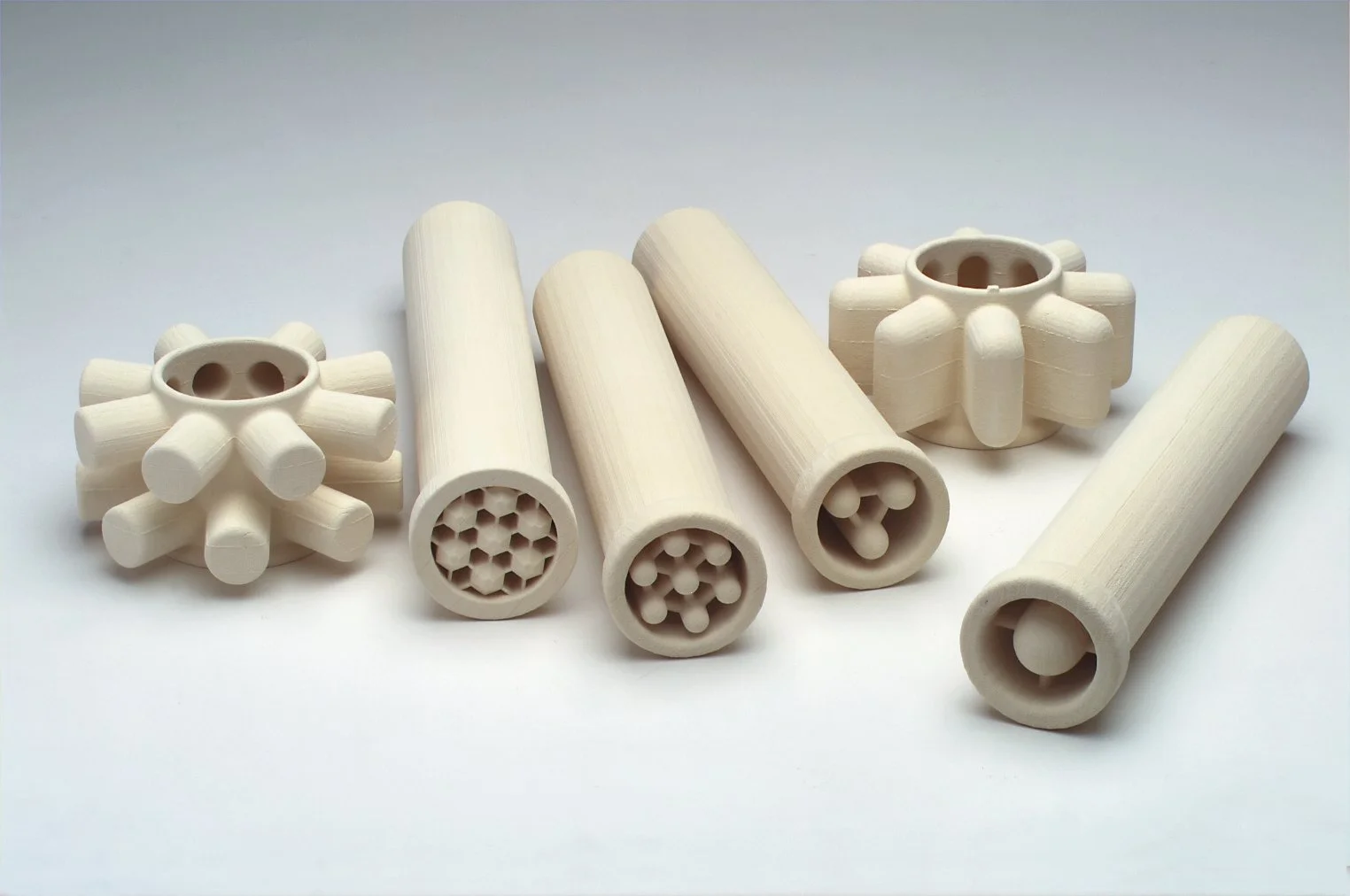
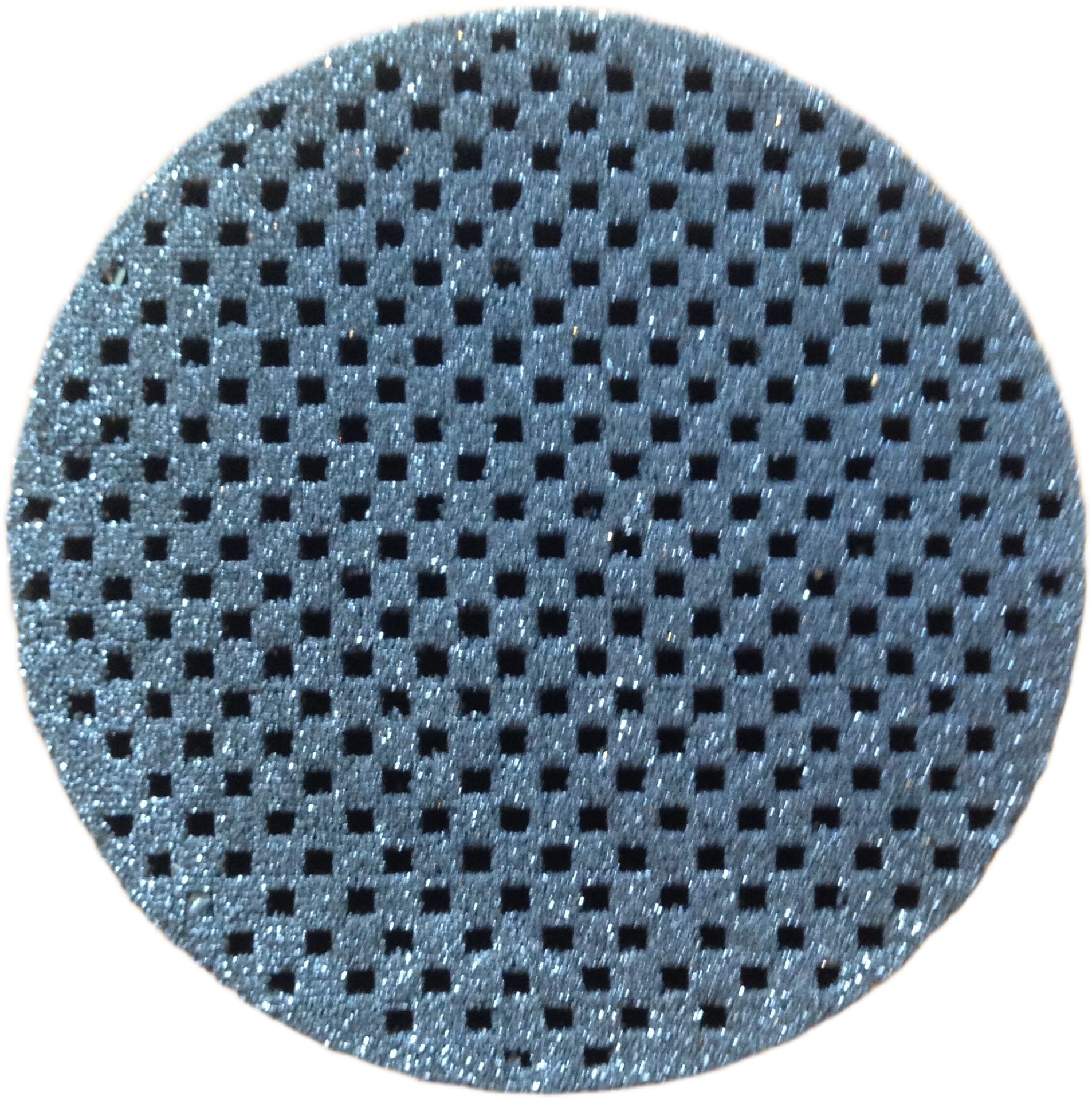
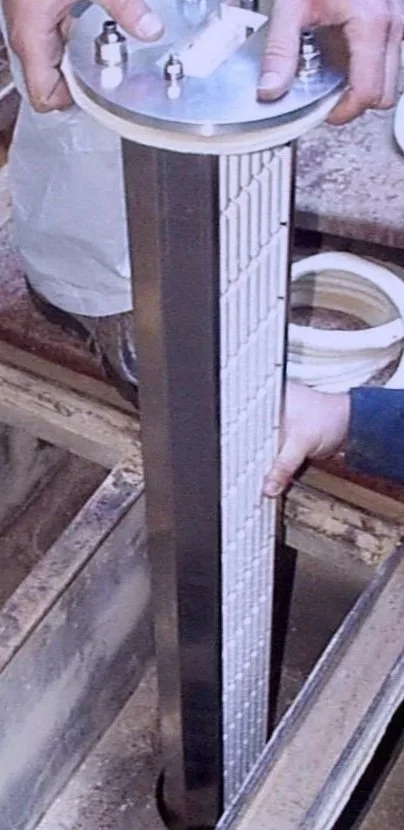
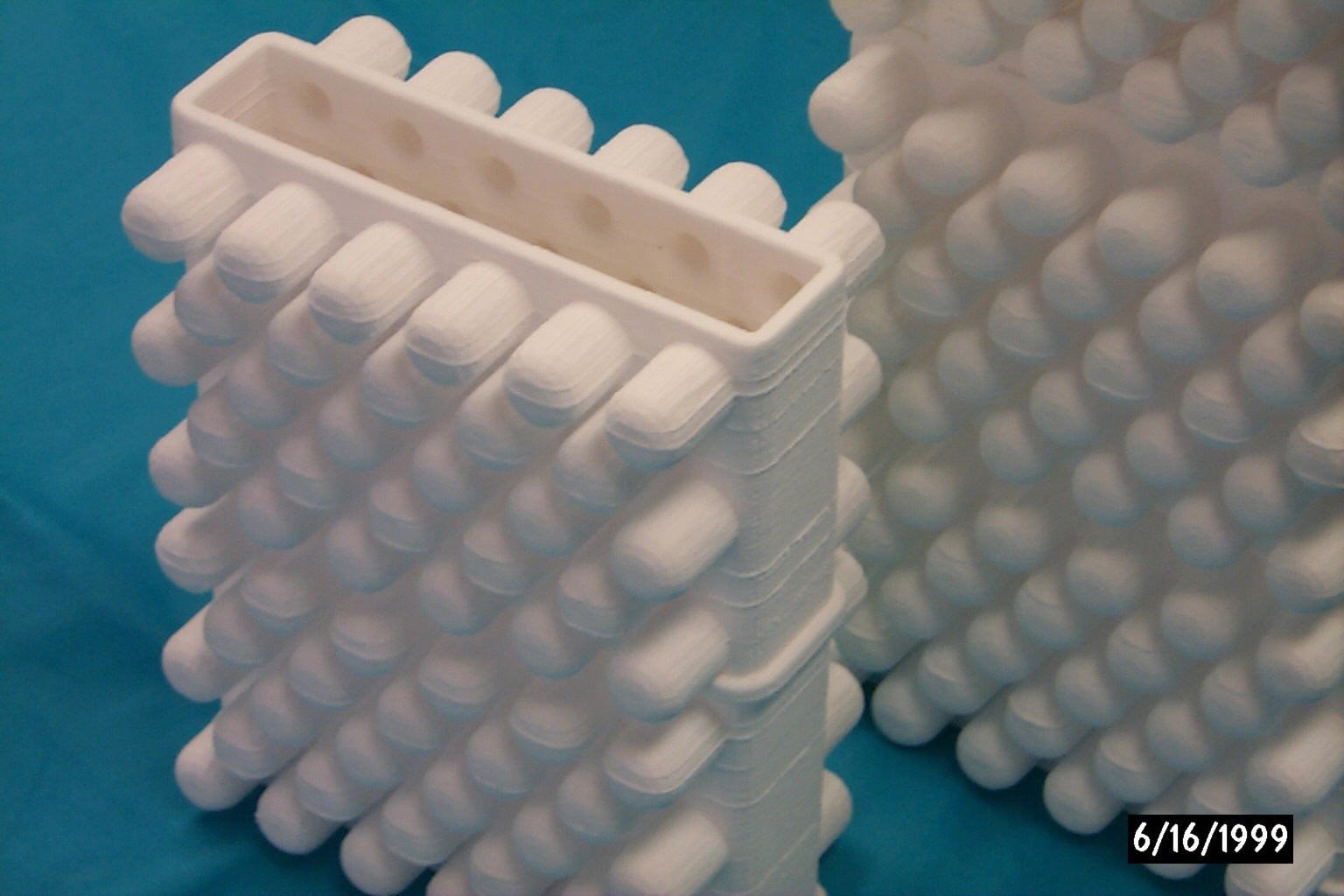
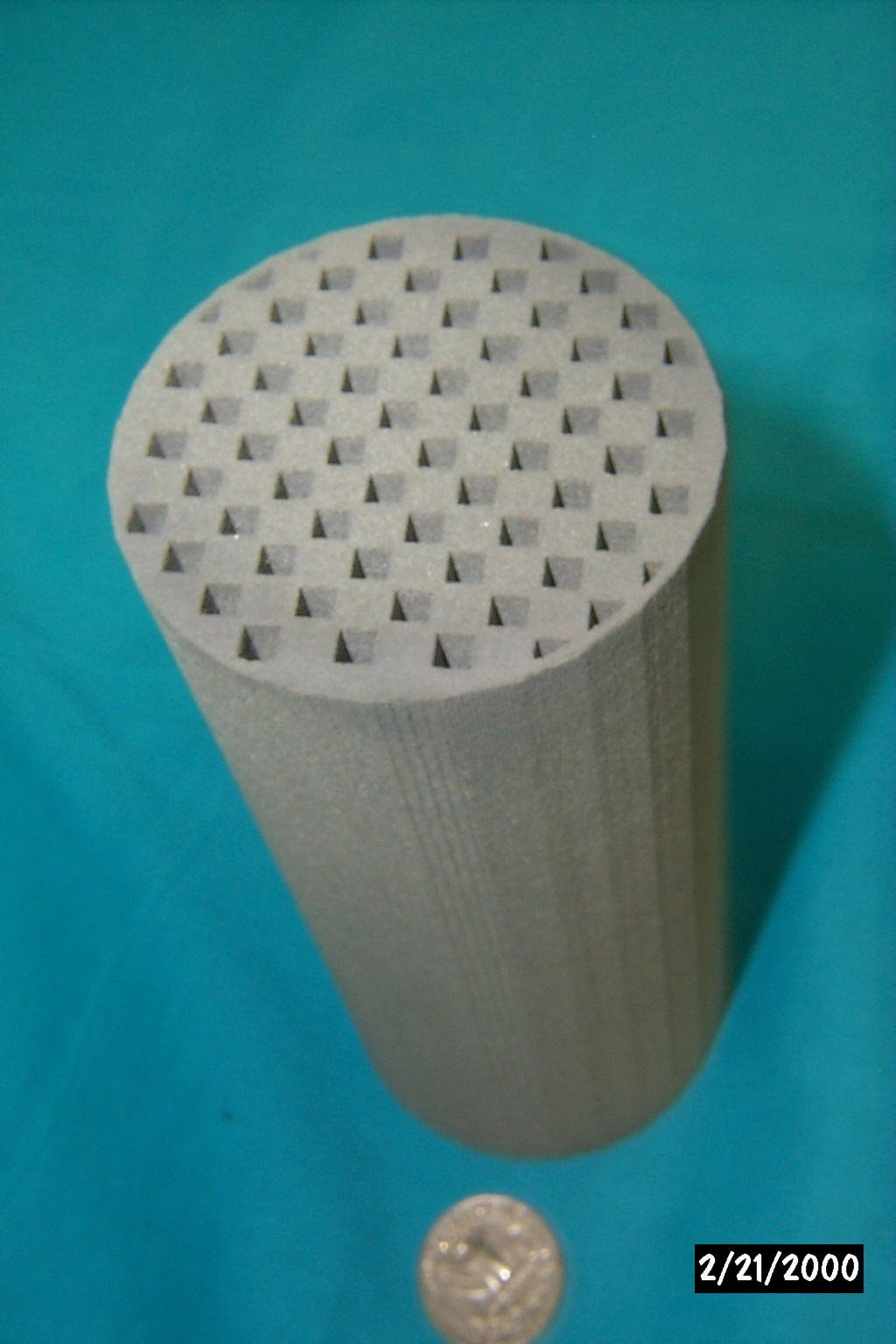
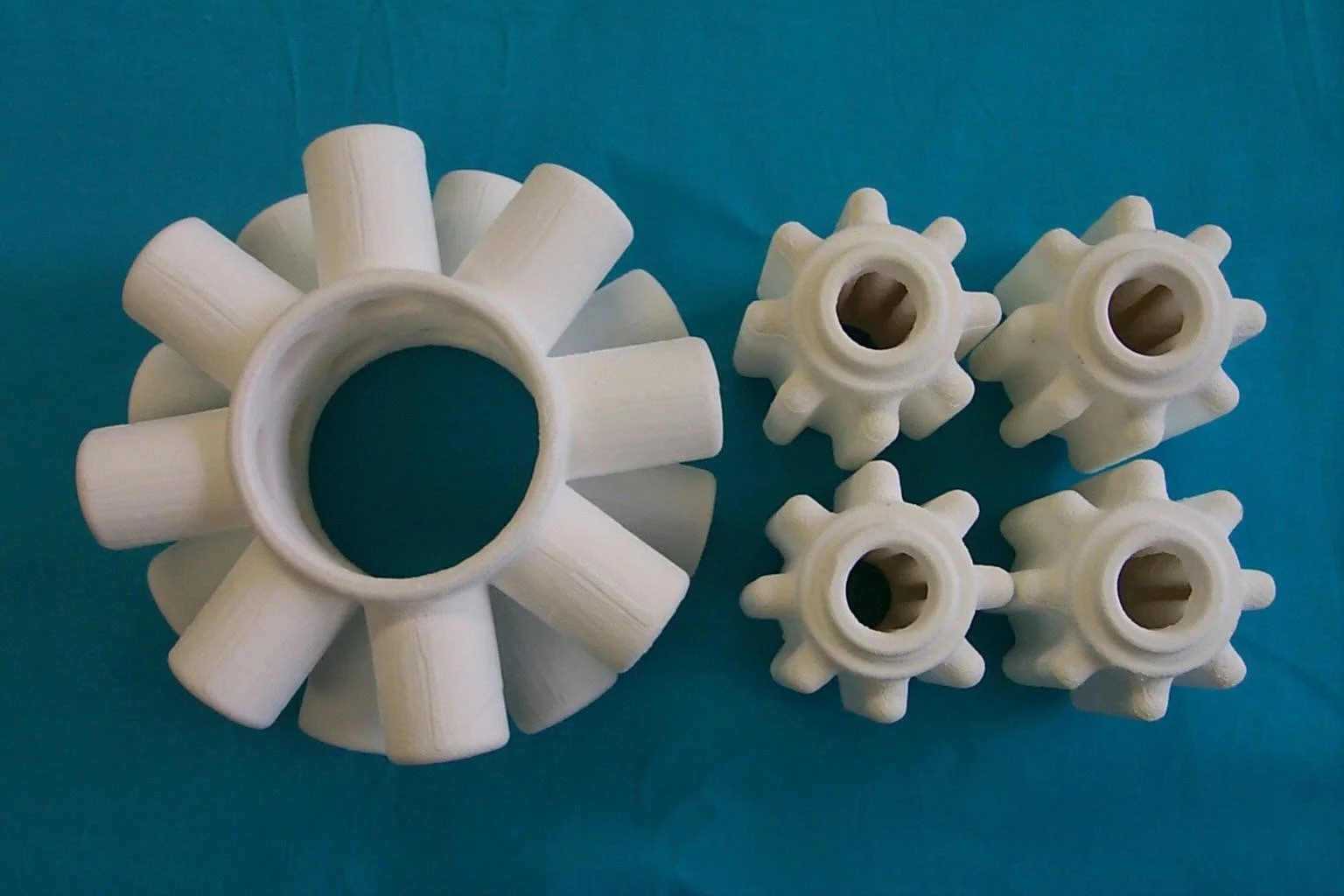
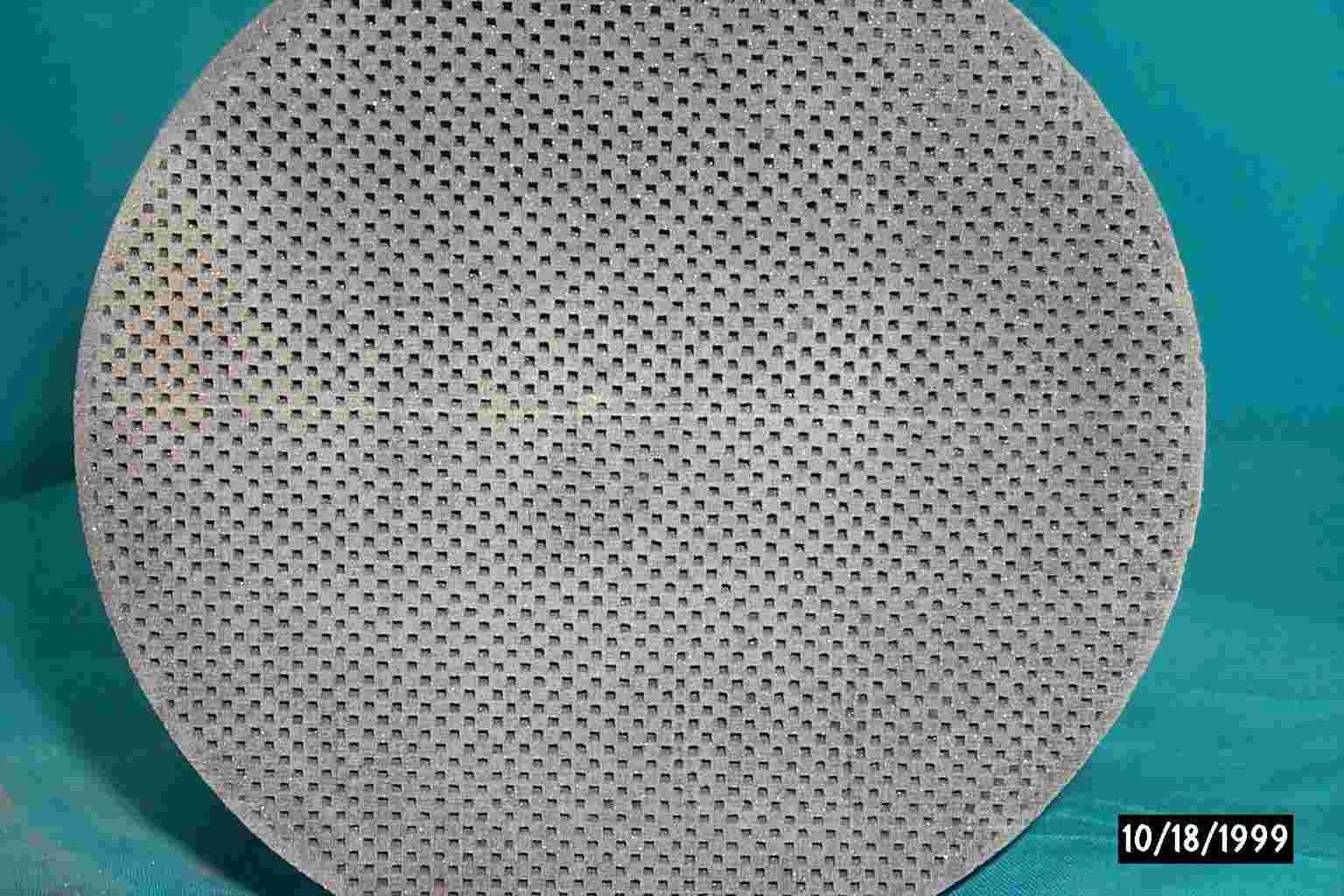
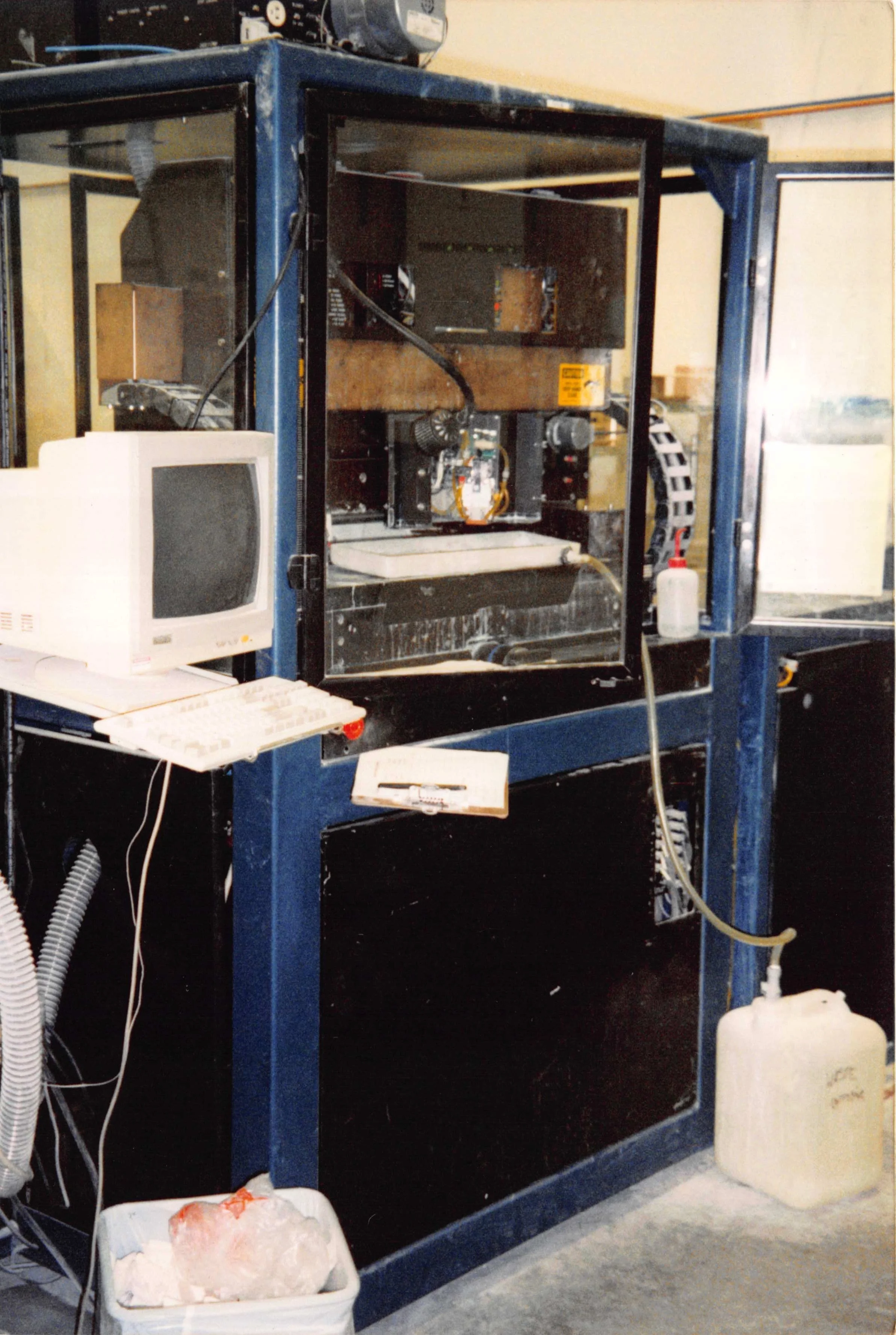
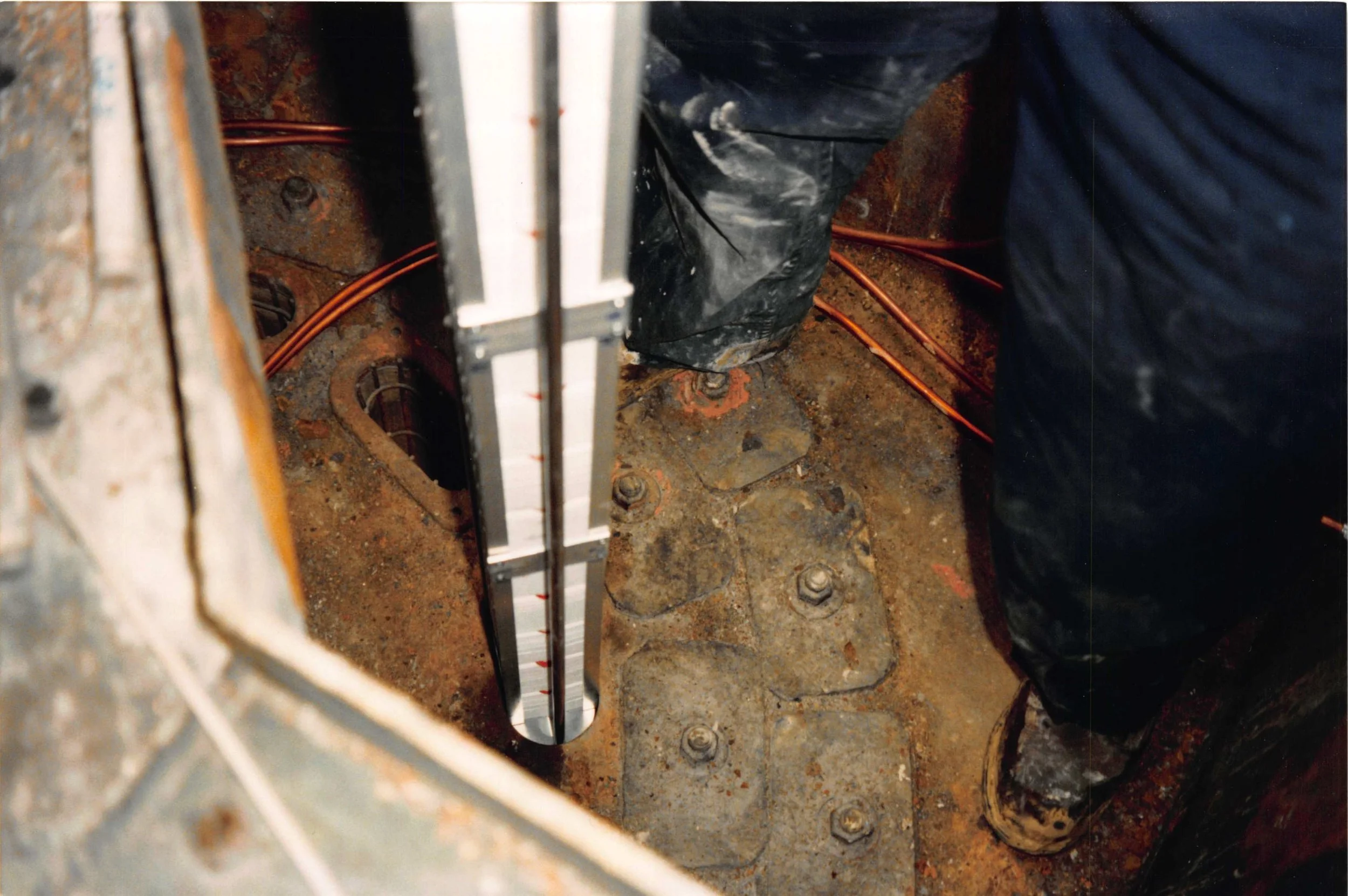
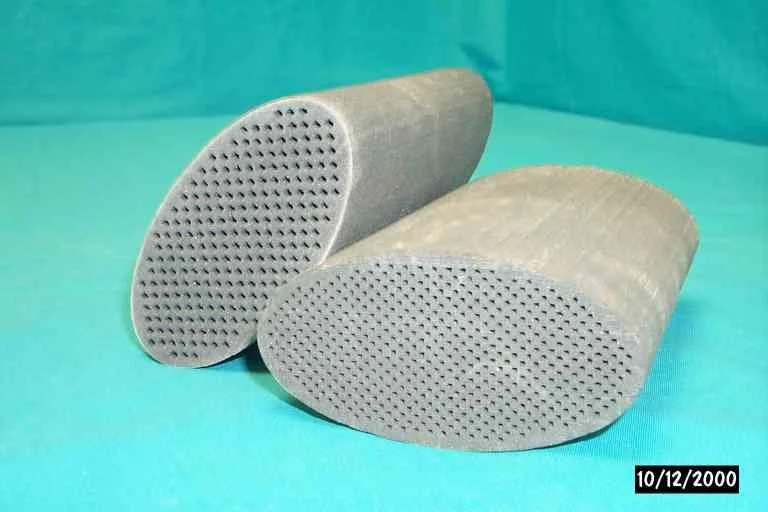
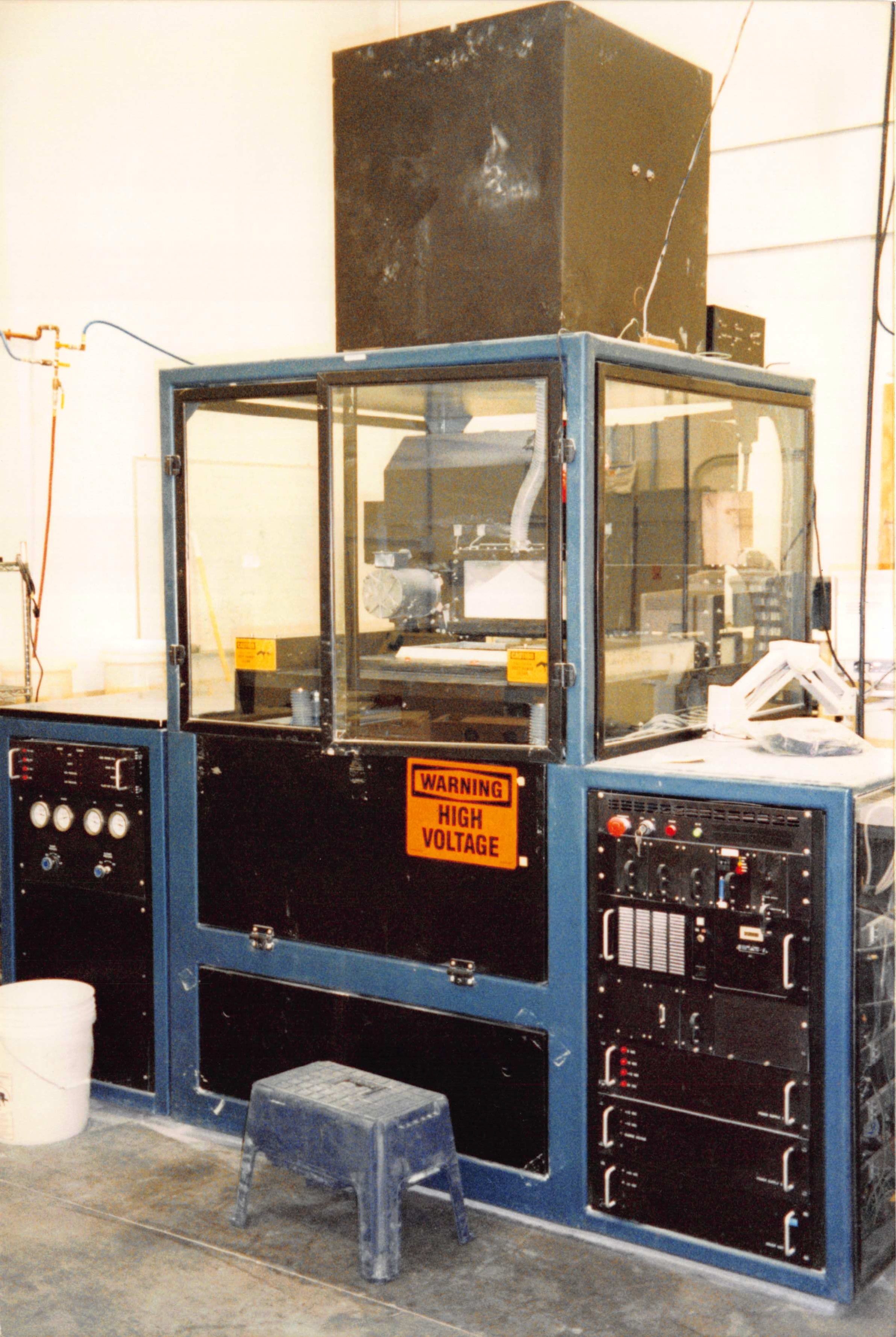
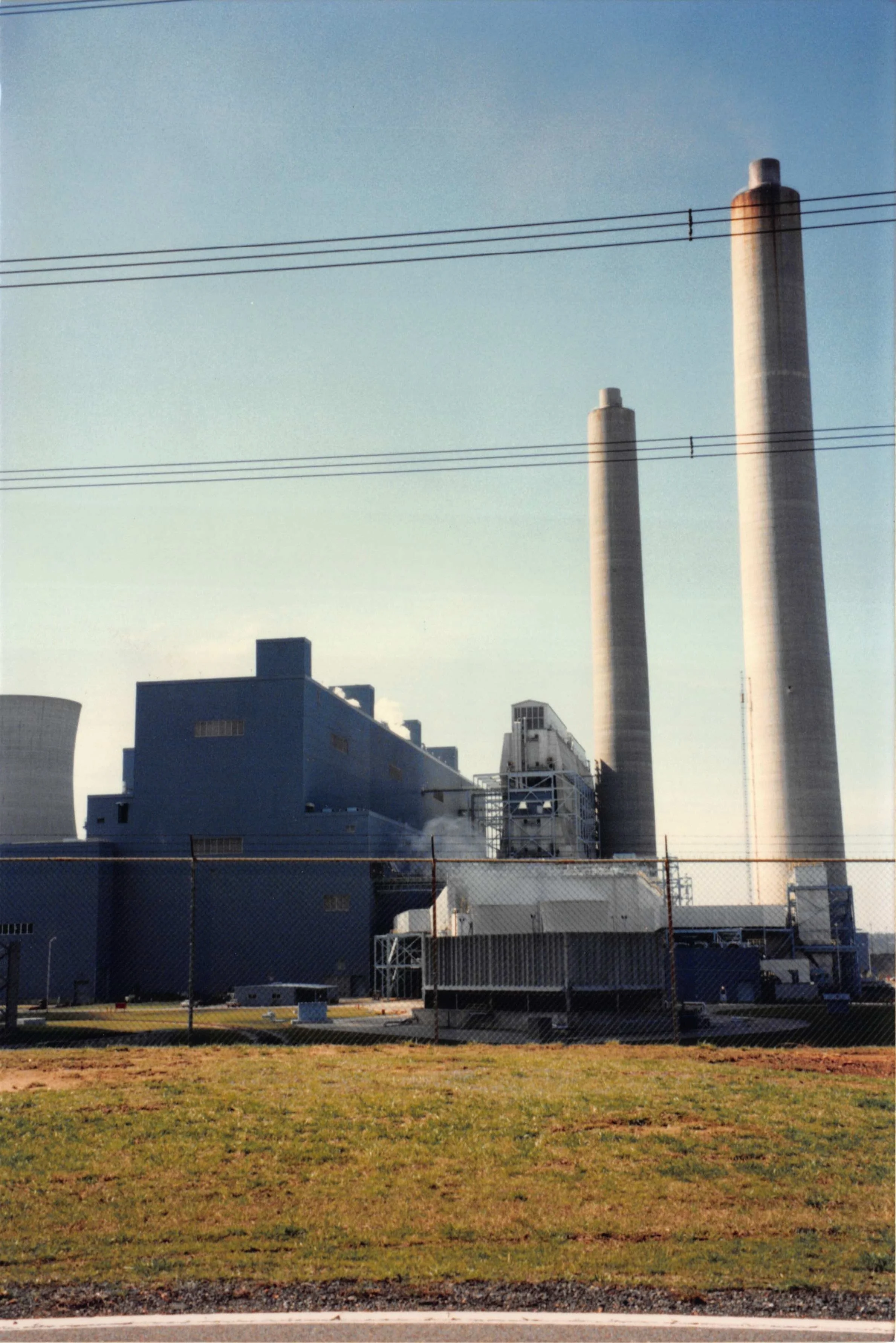
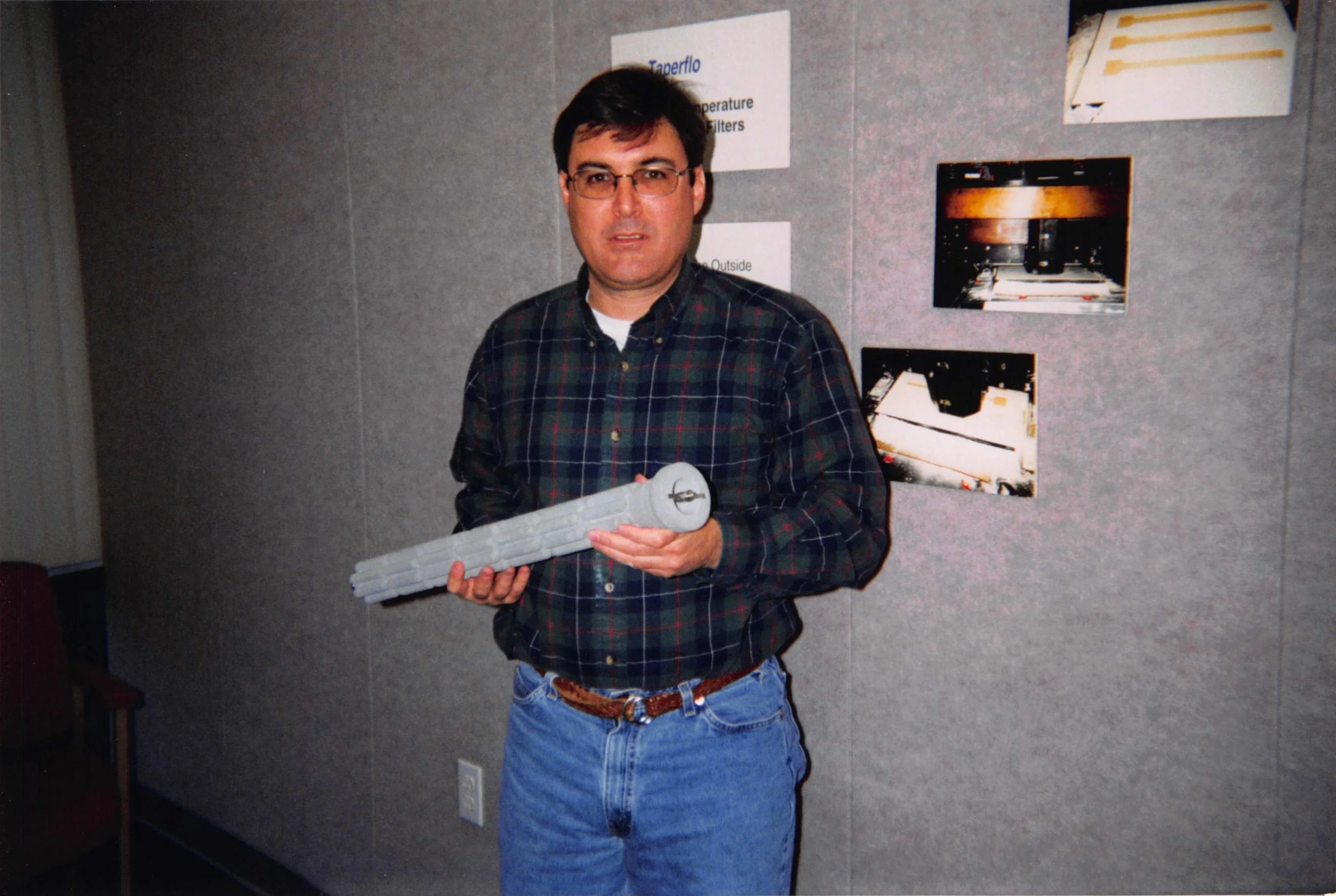
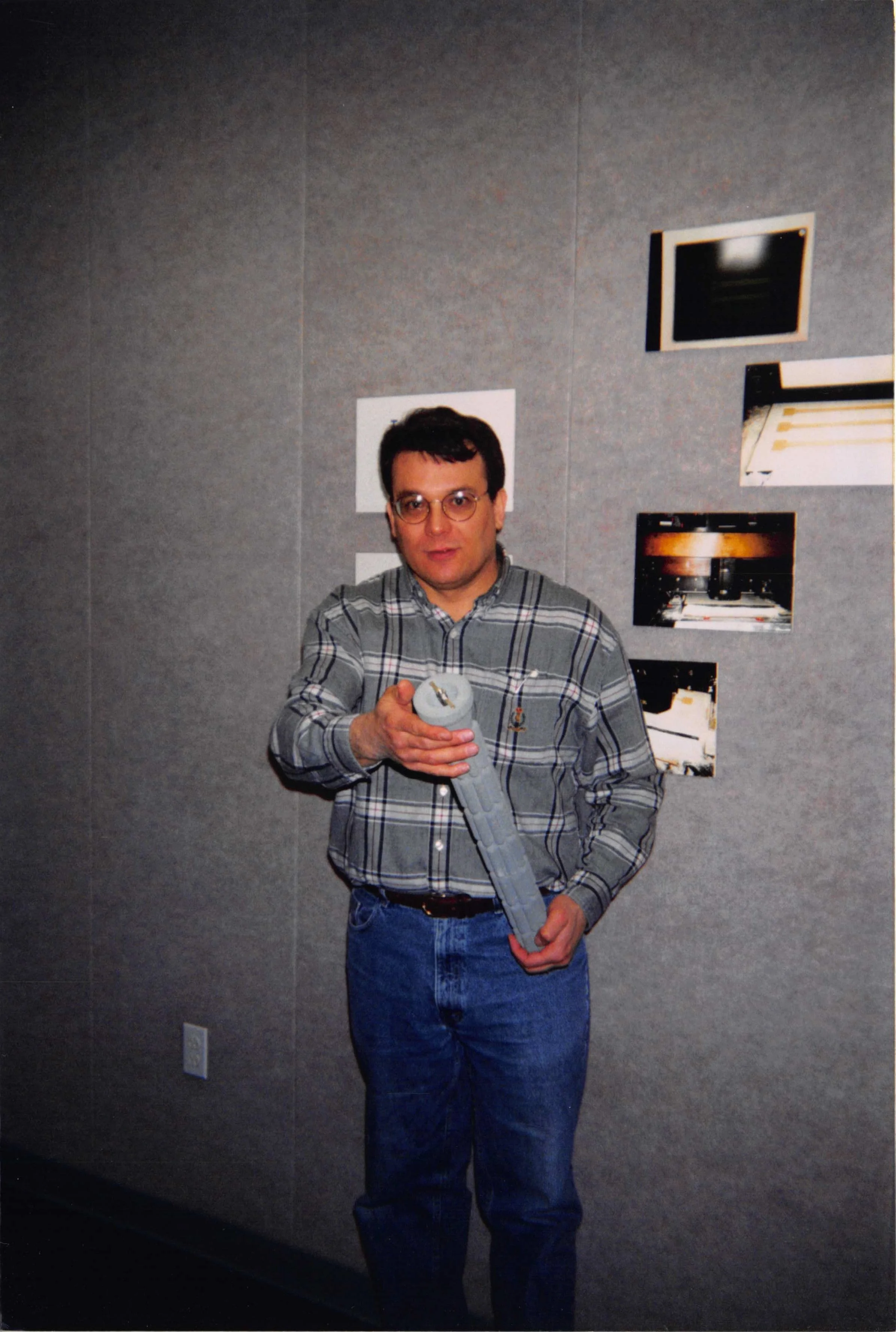
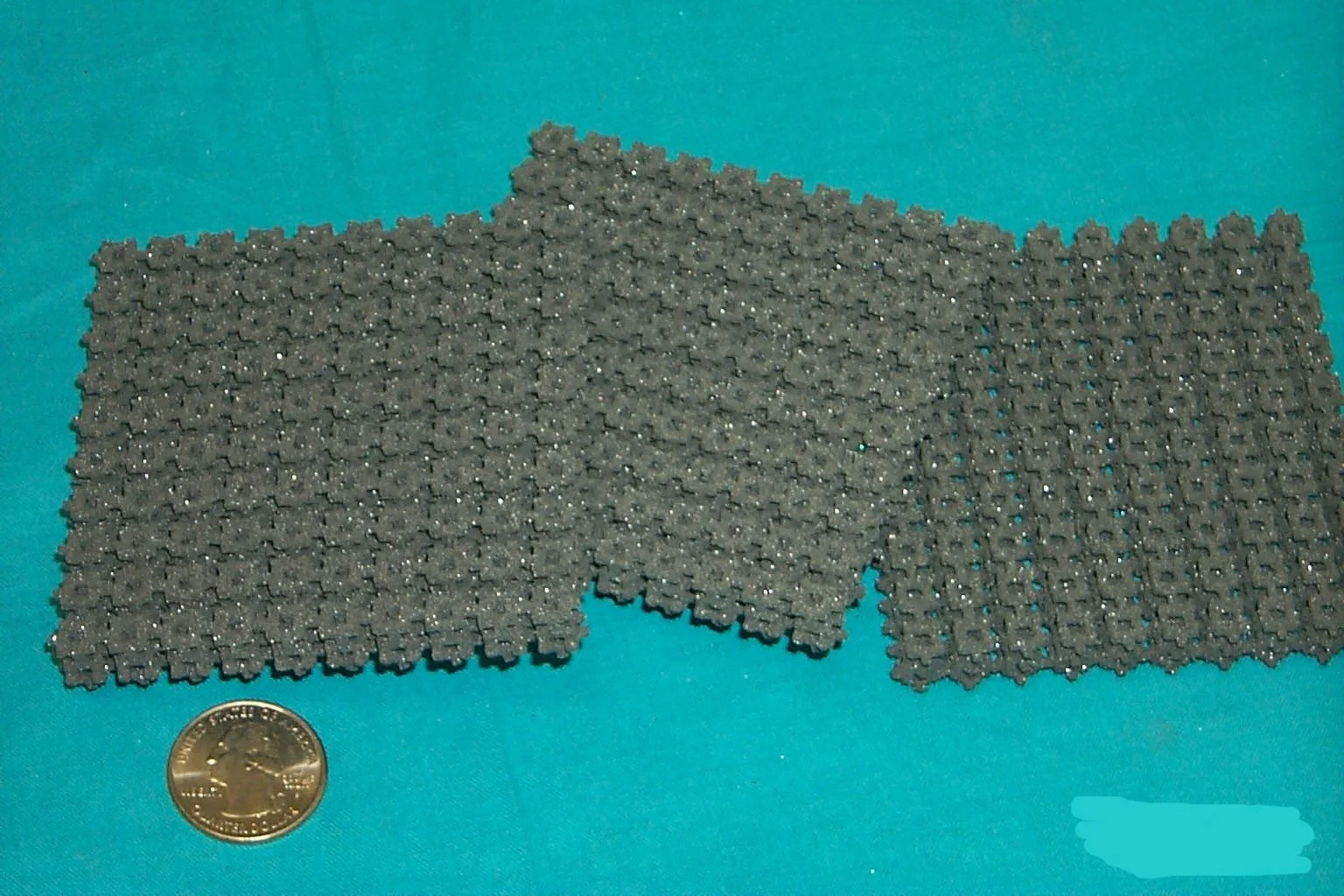
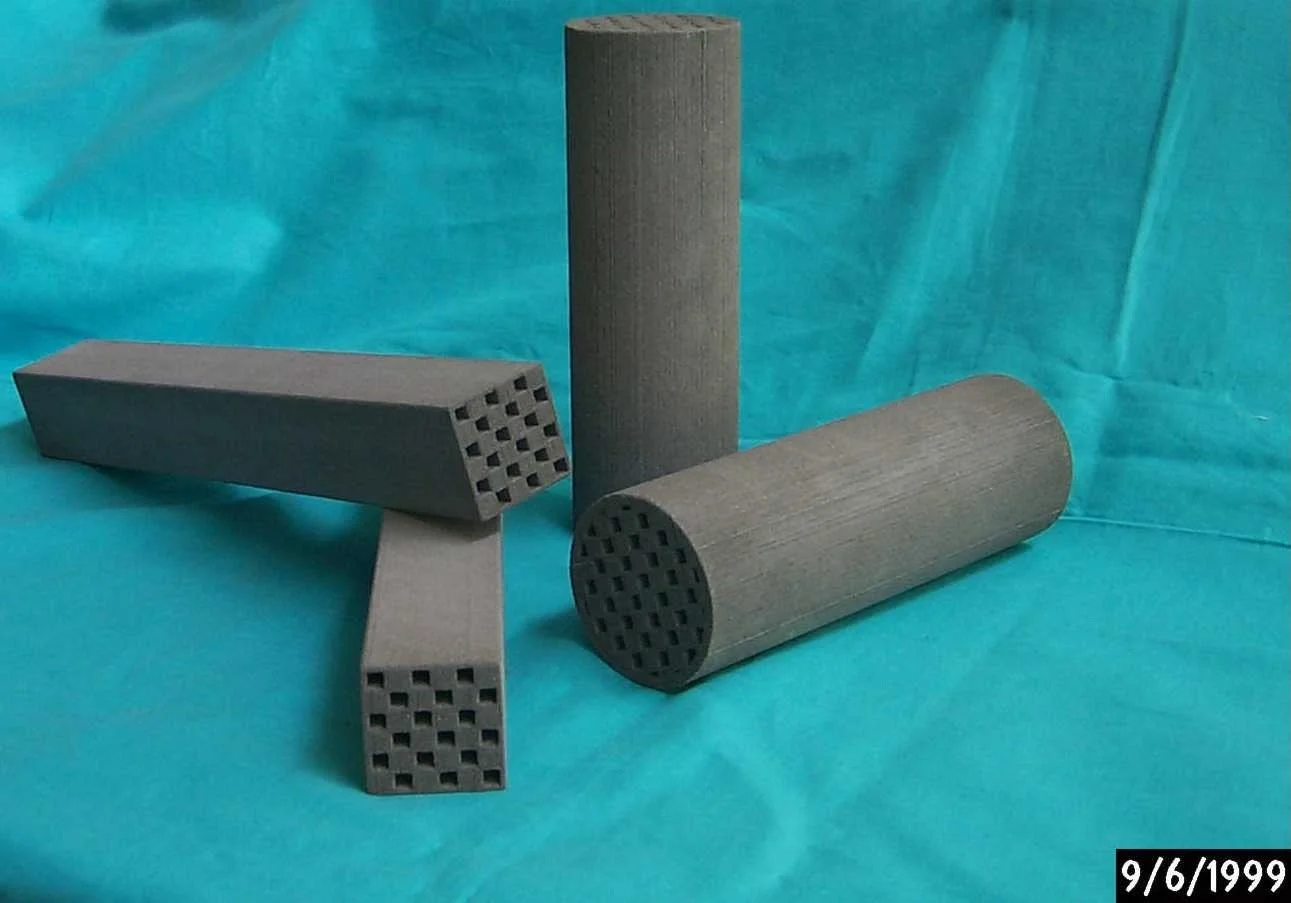
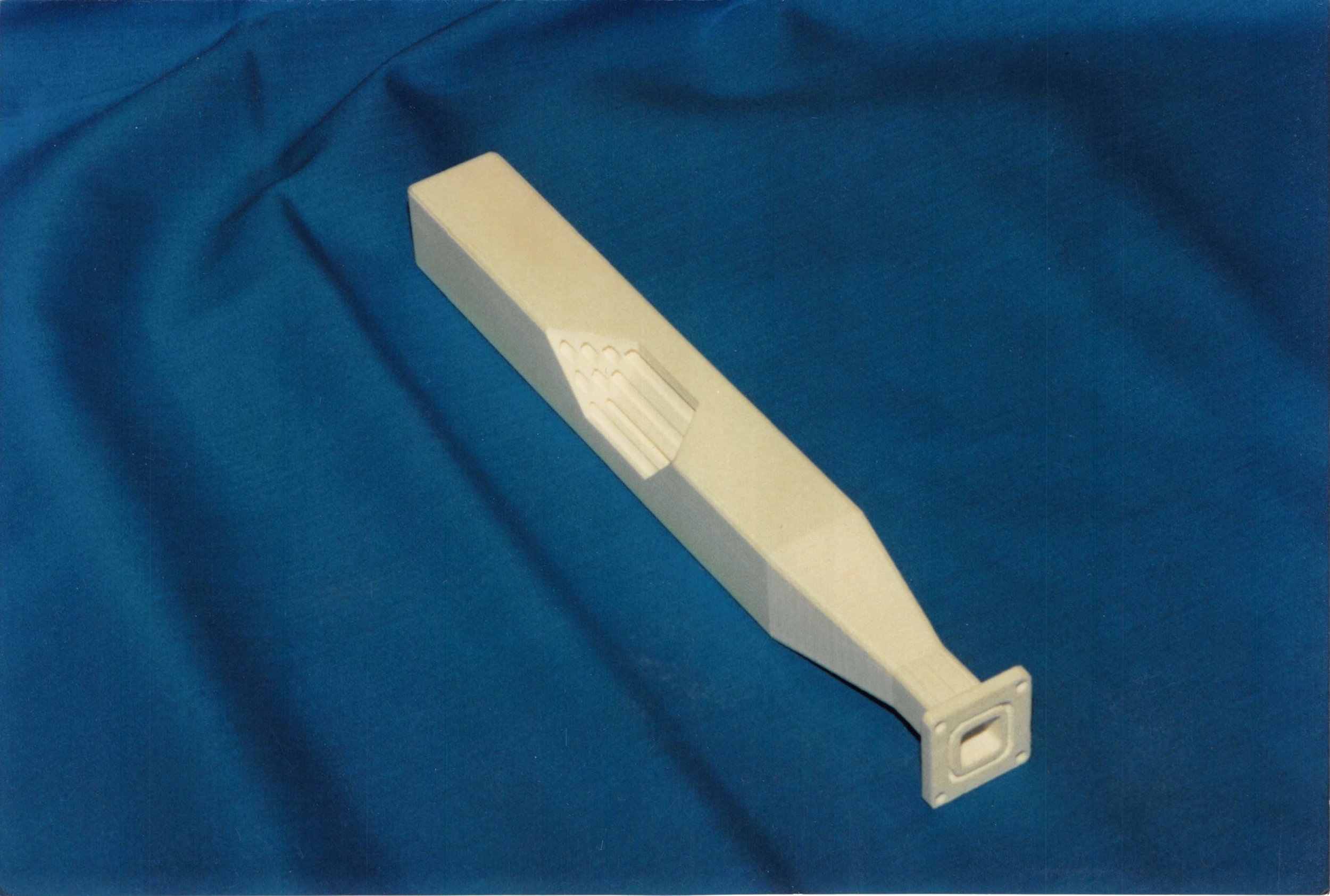
Our focus was high-temperature ceramic components for advanced filtration systems used in coal-fired power plants — applications requiring extreme heat resistance, structural integrity, and long-term durability. At the time, the only commercially available binder-jet system suitable for ceramics was developed by Soligen Technologies. Using that platform, we produced complex porous structures in aluminum oxide, cordierite, and silicon carbide.
The work demanded deep expertise in powders, binders, sintering, and thermal behavior. Ceramic additive manufacturing in the mid-1990s required building not just parts, but process knowledge from the ground up.
Specific Surface became a groundbreaker in demonstrating that additive manufacturing could deliver mission-critical industrial components — not models, not mockups, but real products engineered for harsh operating environments. Our filtration designs received industry recognition and awards, validating the idea that digital fabrication could compete in heavy industry.
Even in those early years, we believed additive manufacturing would evolve into scalable production. Specific Surface was an early proof of that vision