Figulo
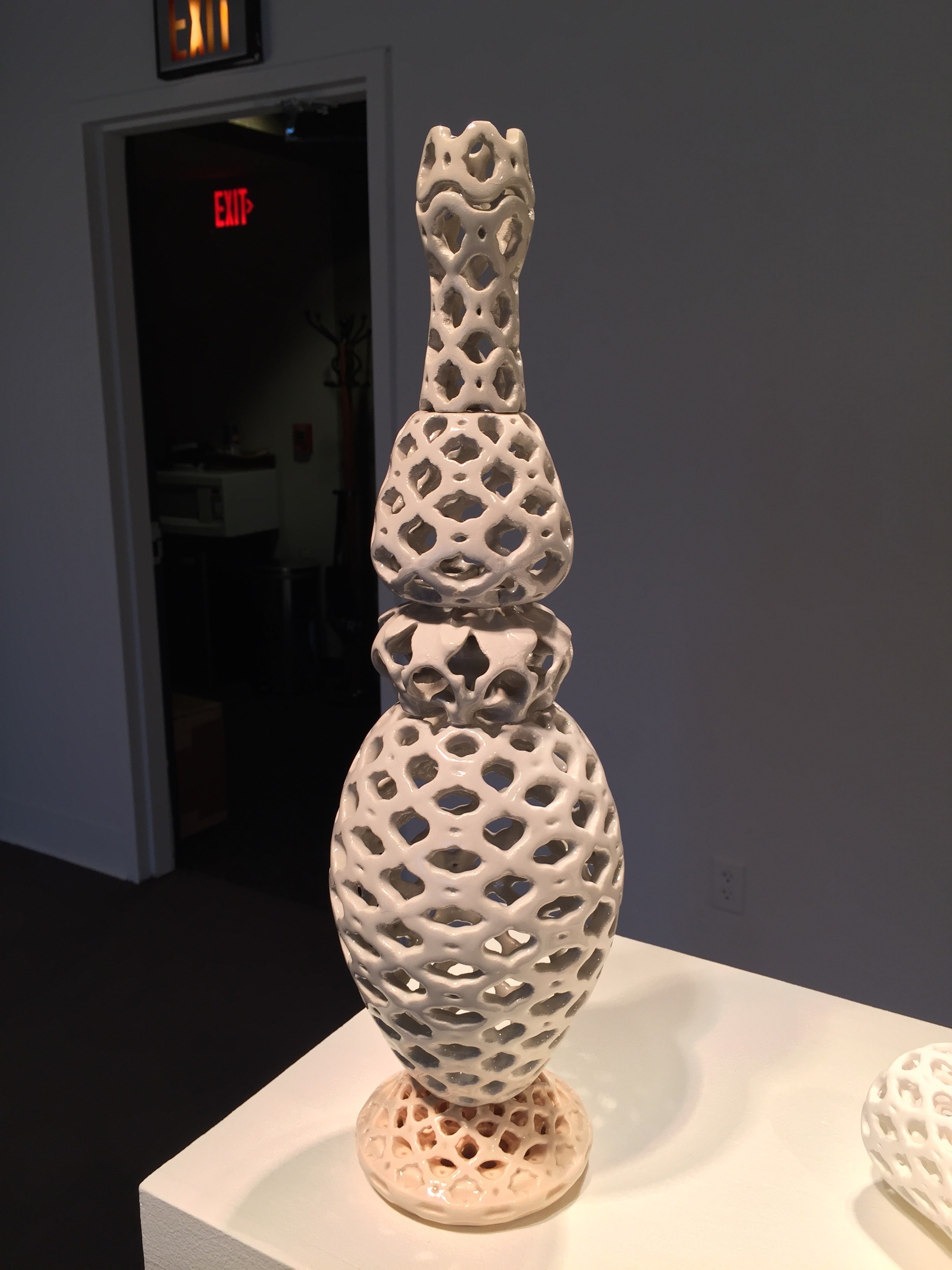
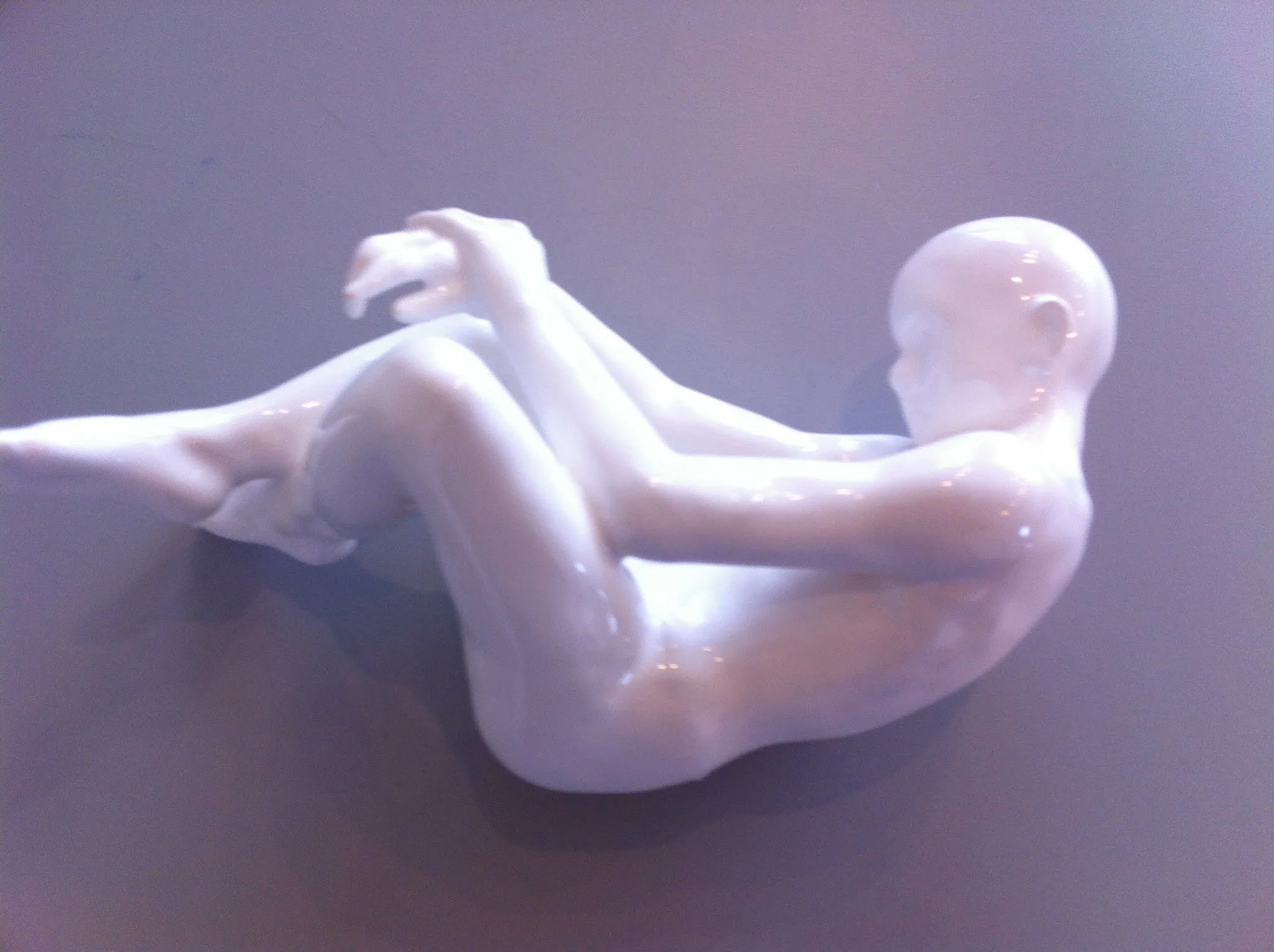
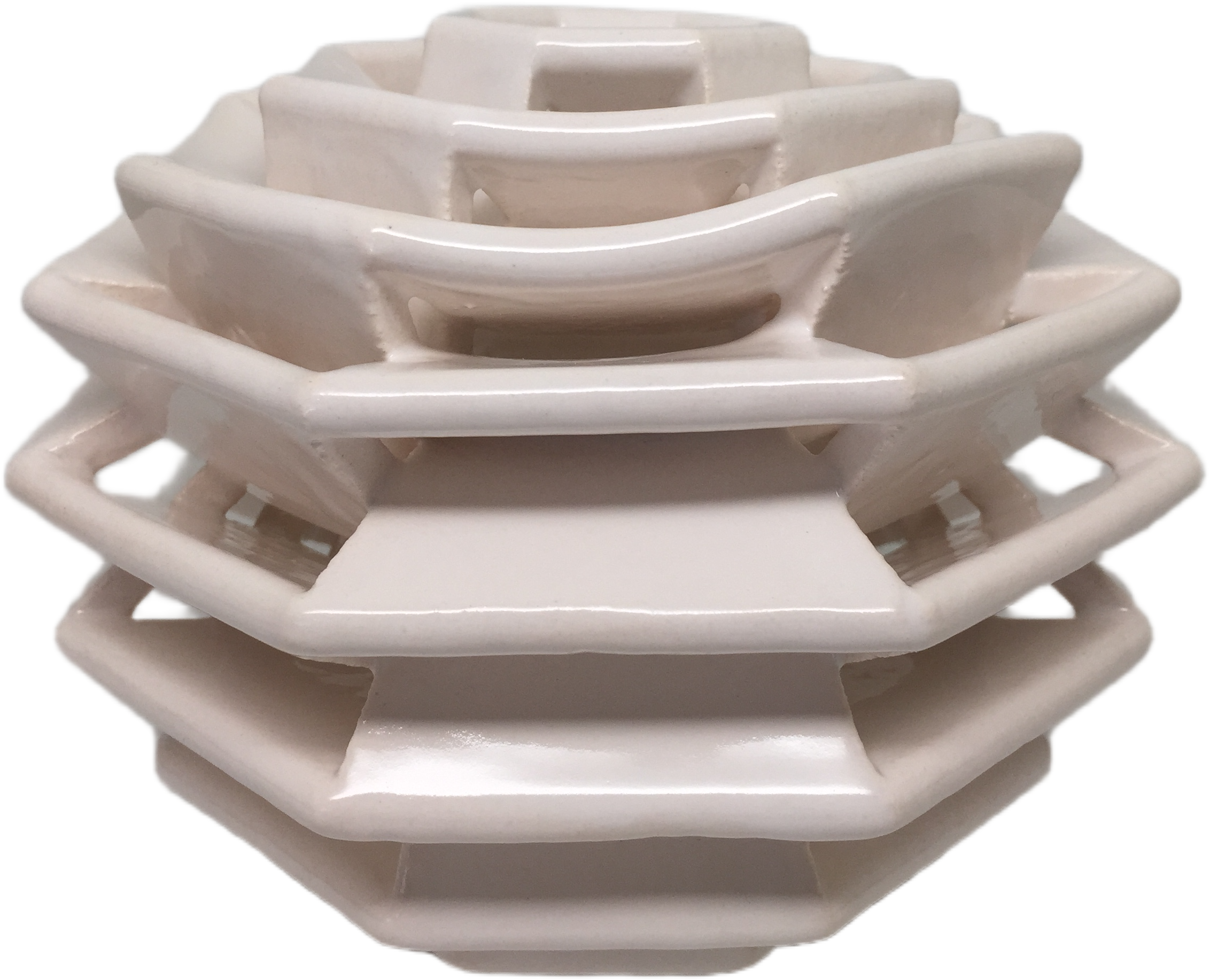
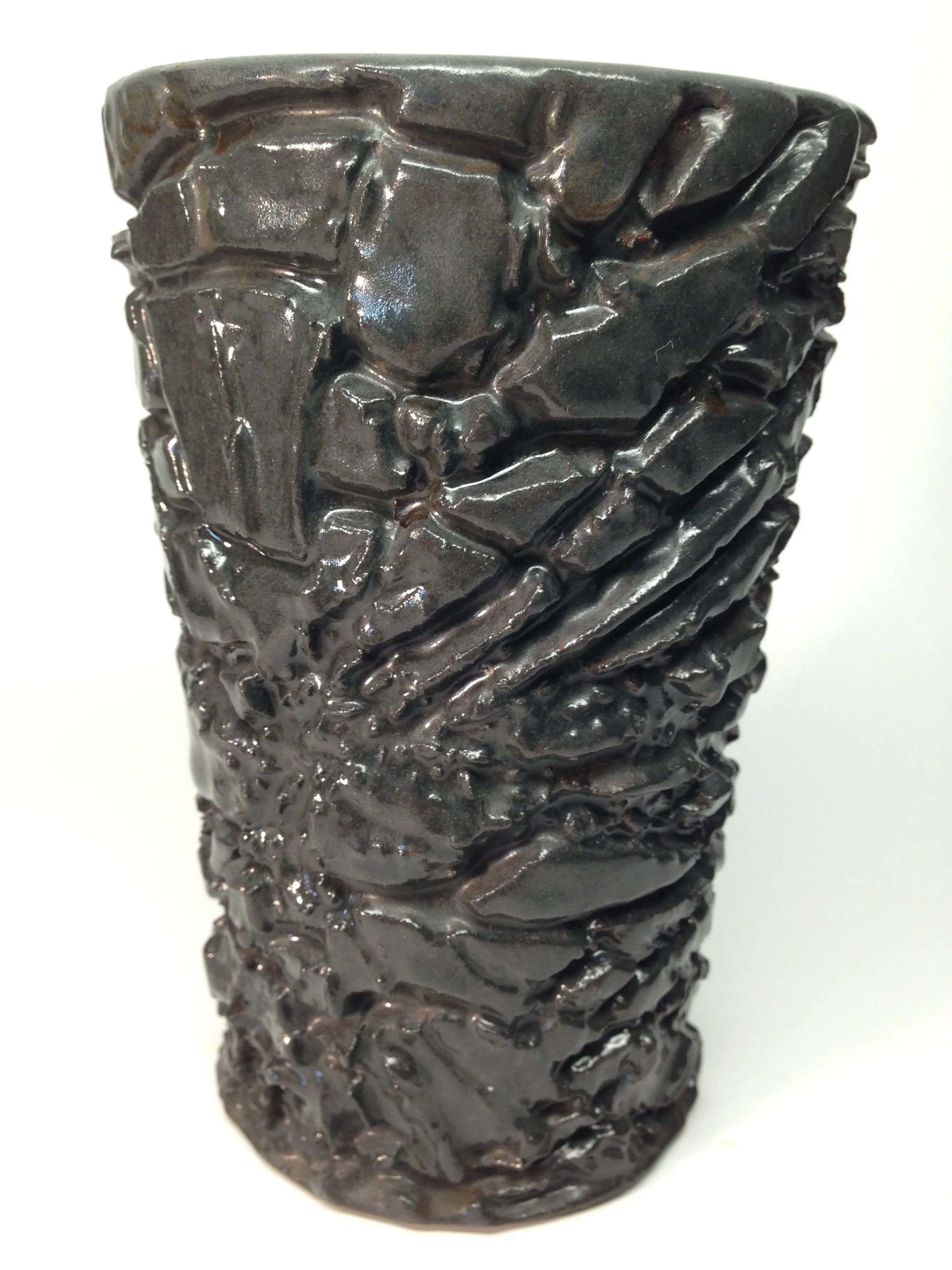
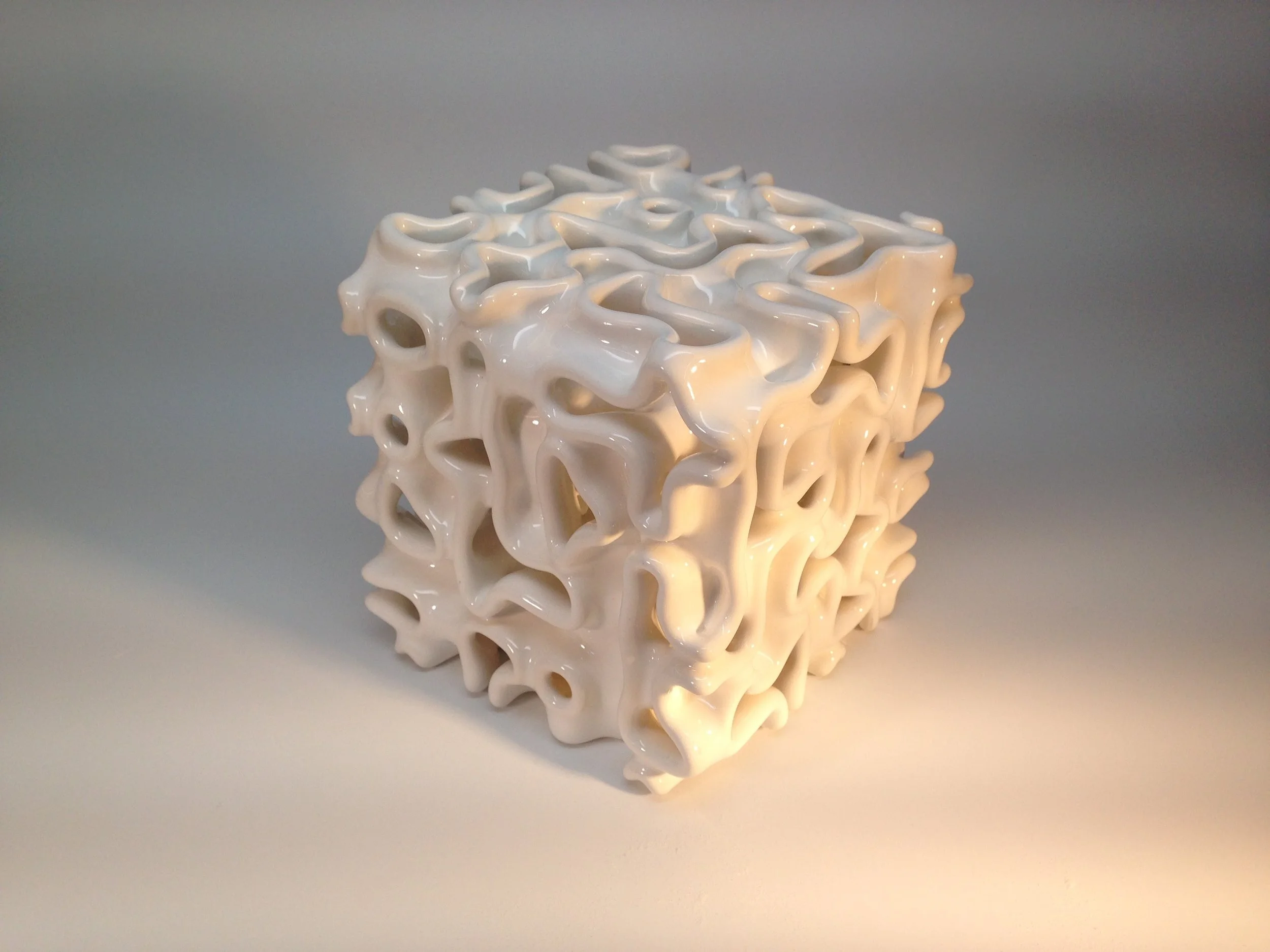
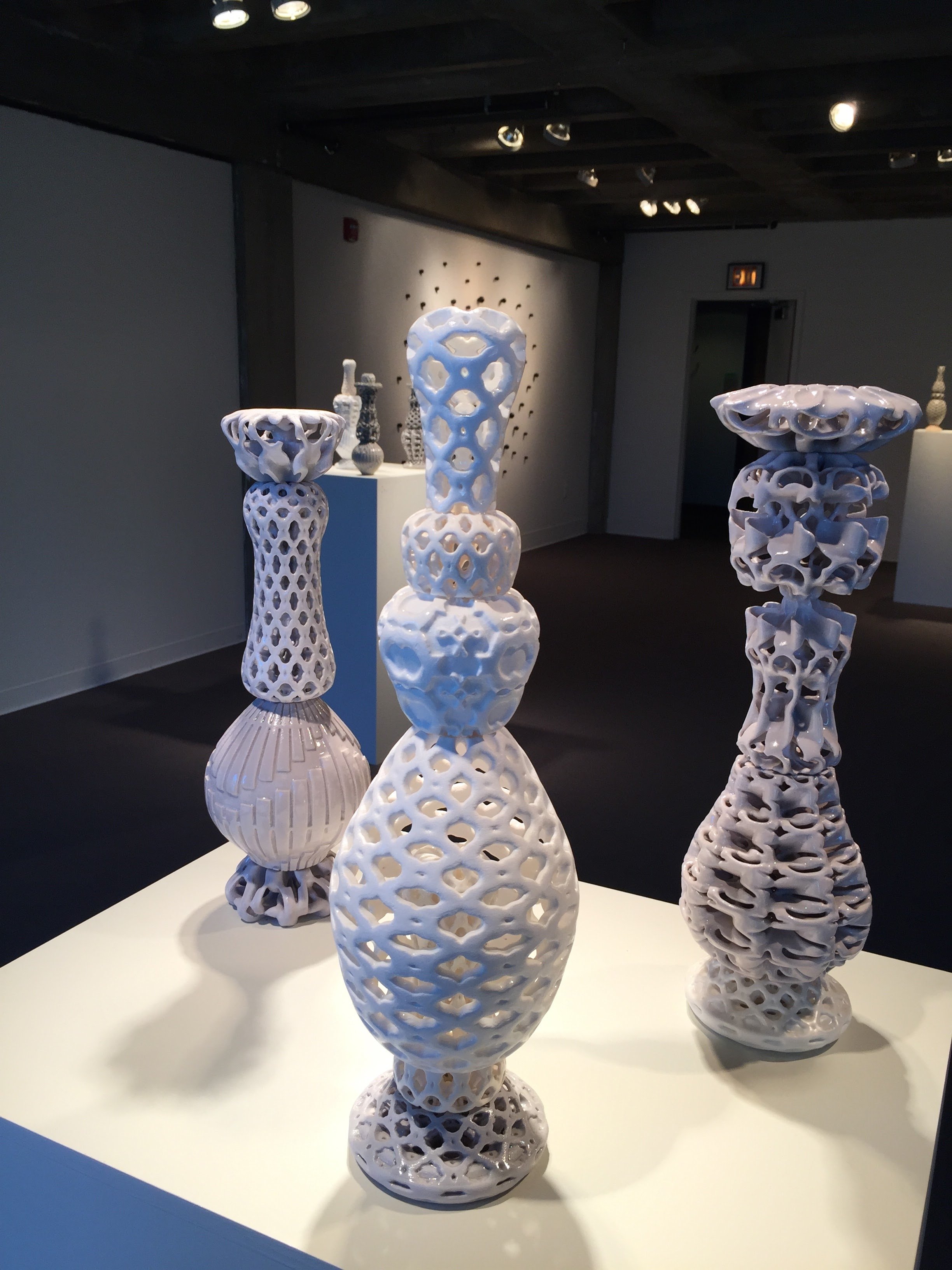
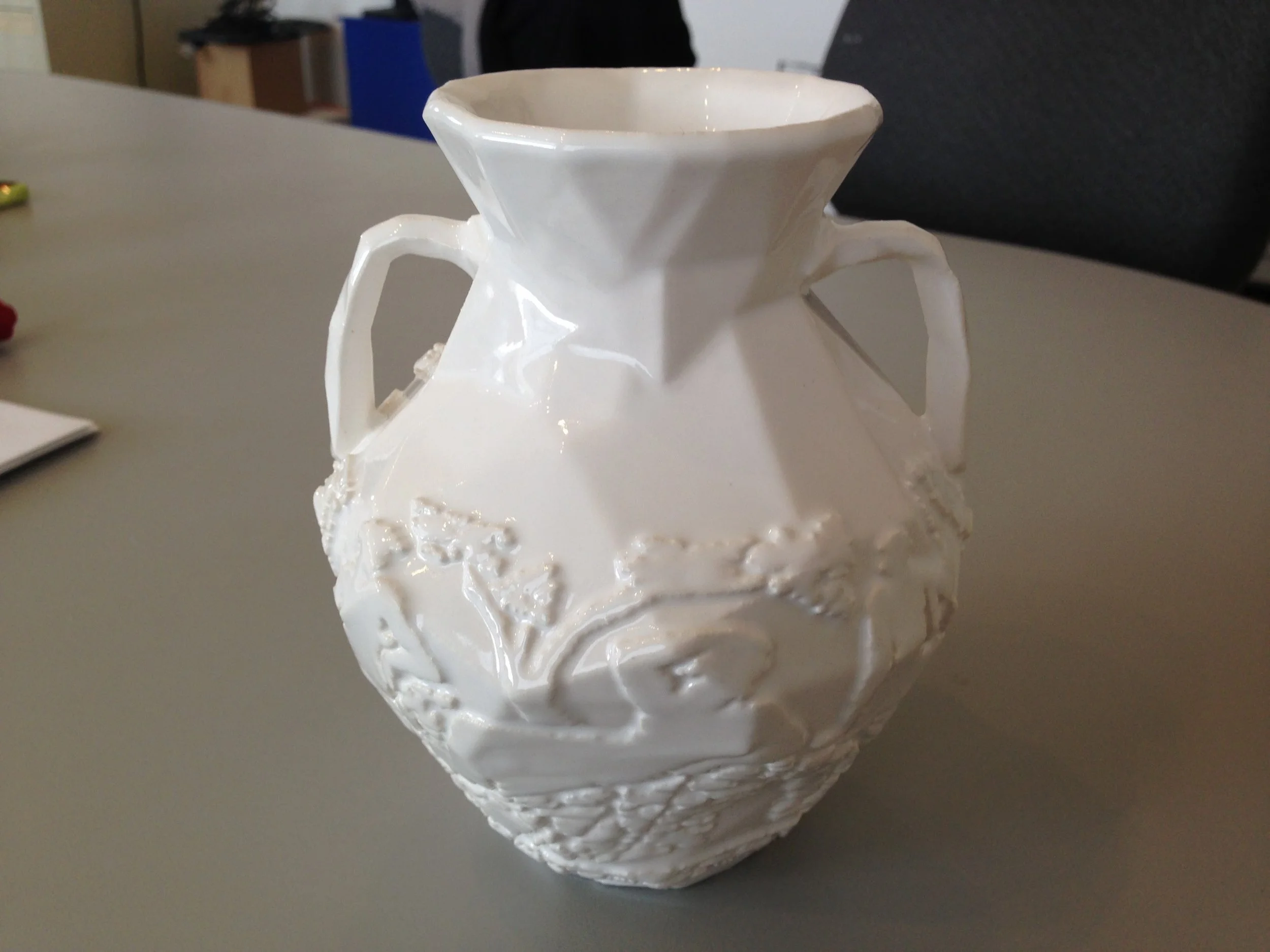
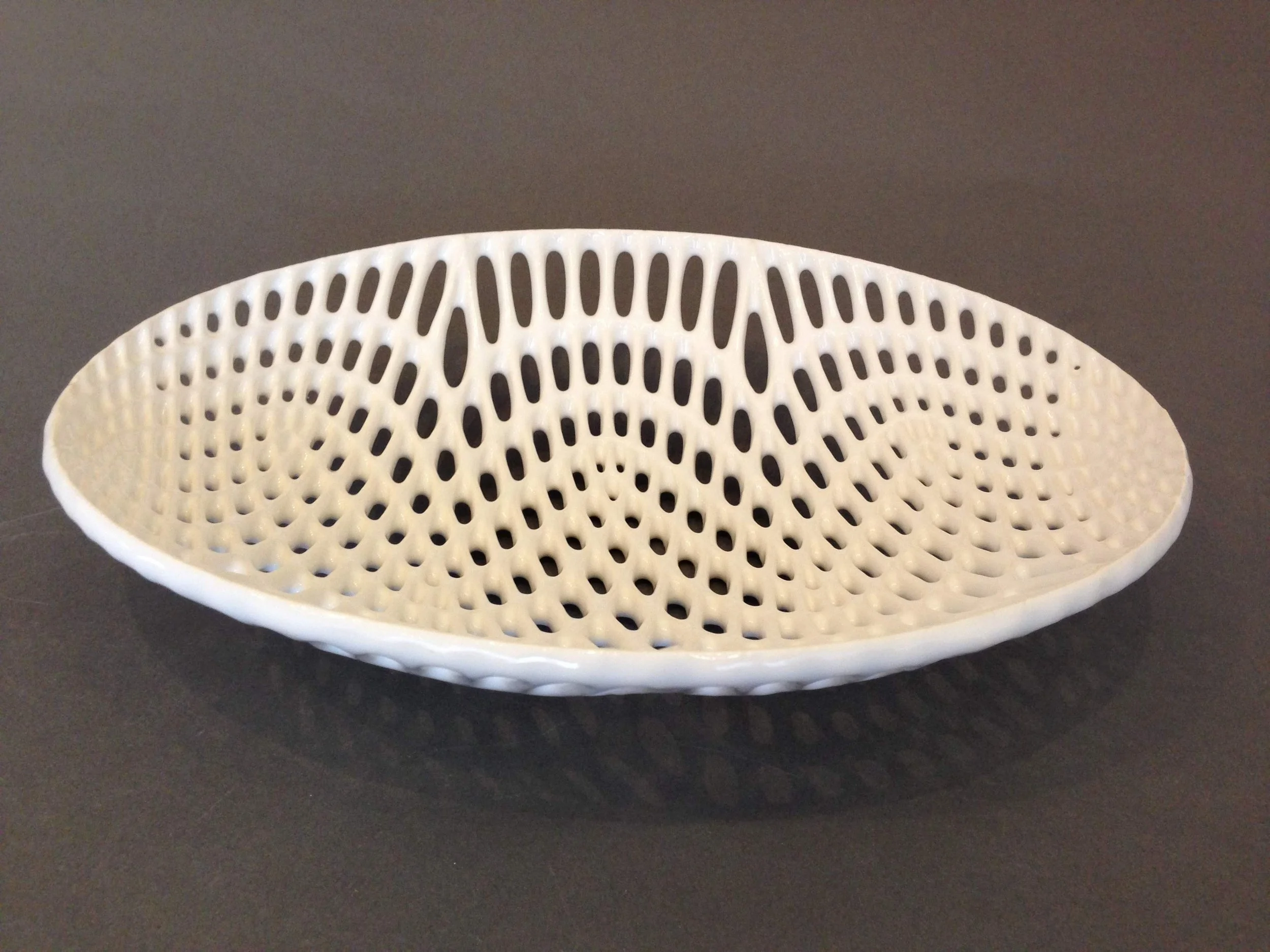
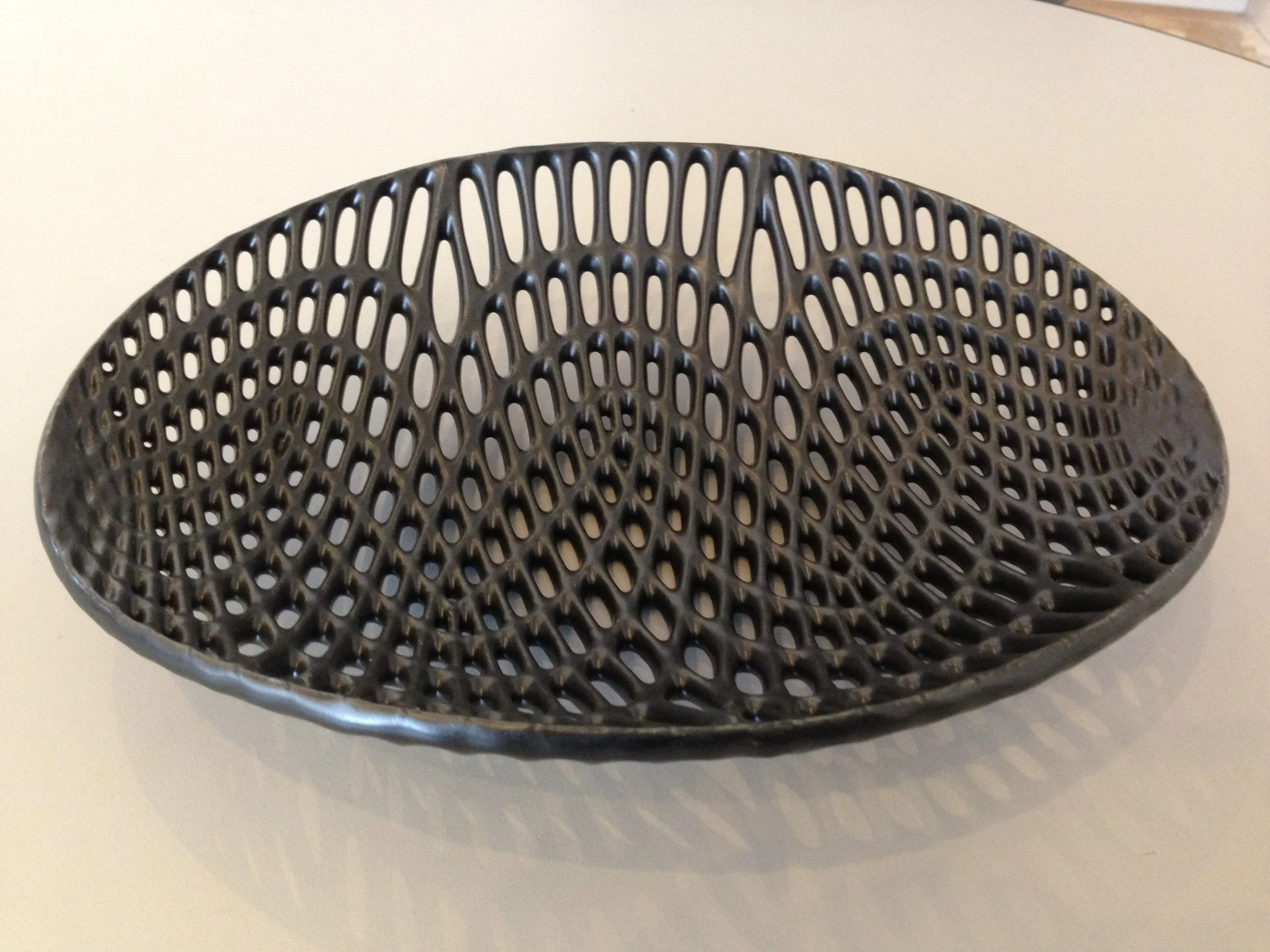
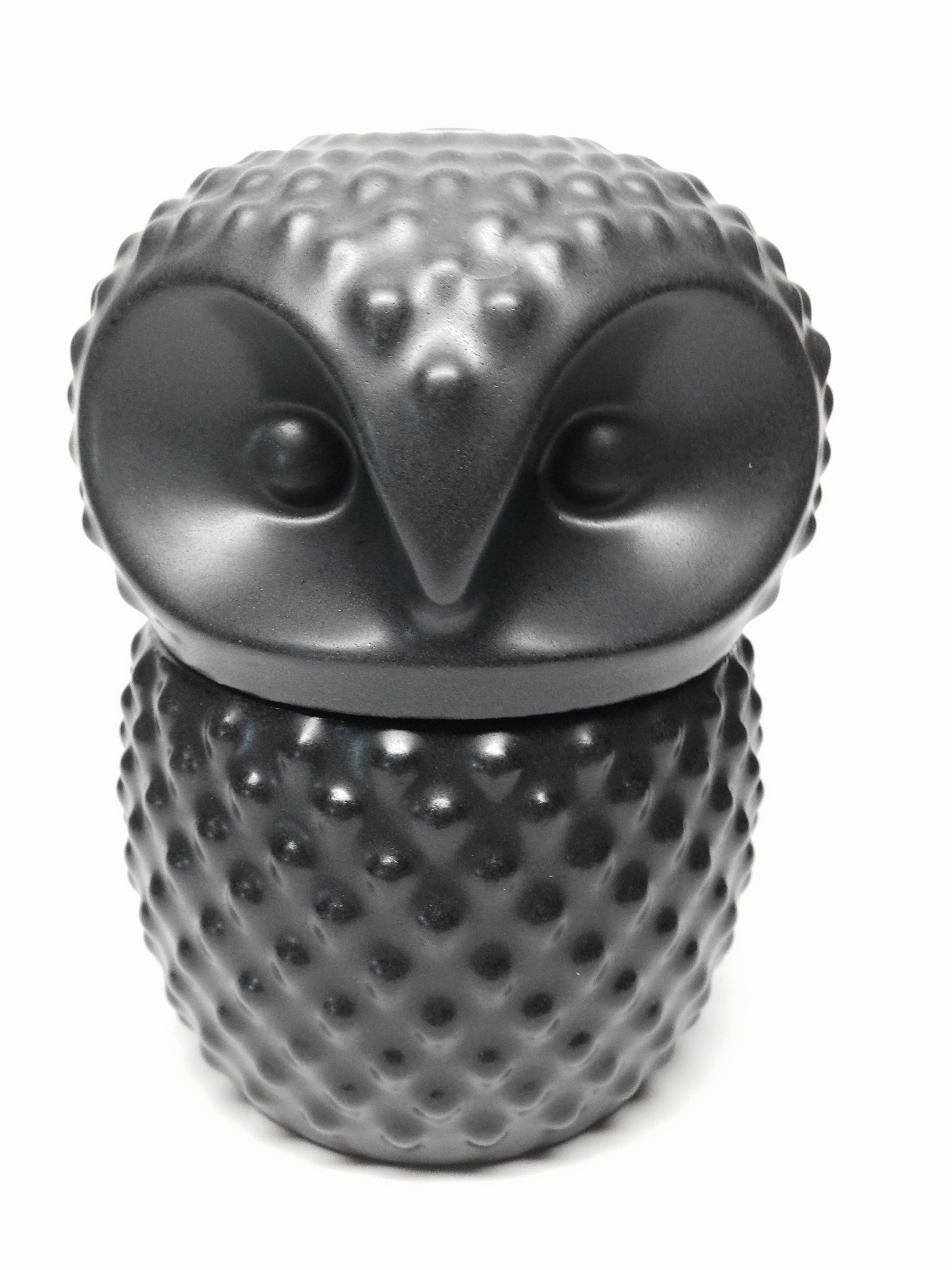
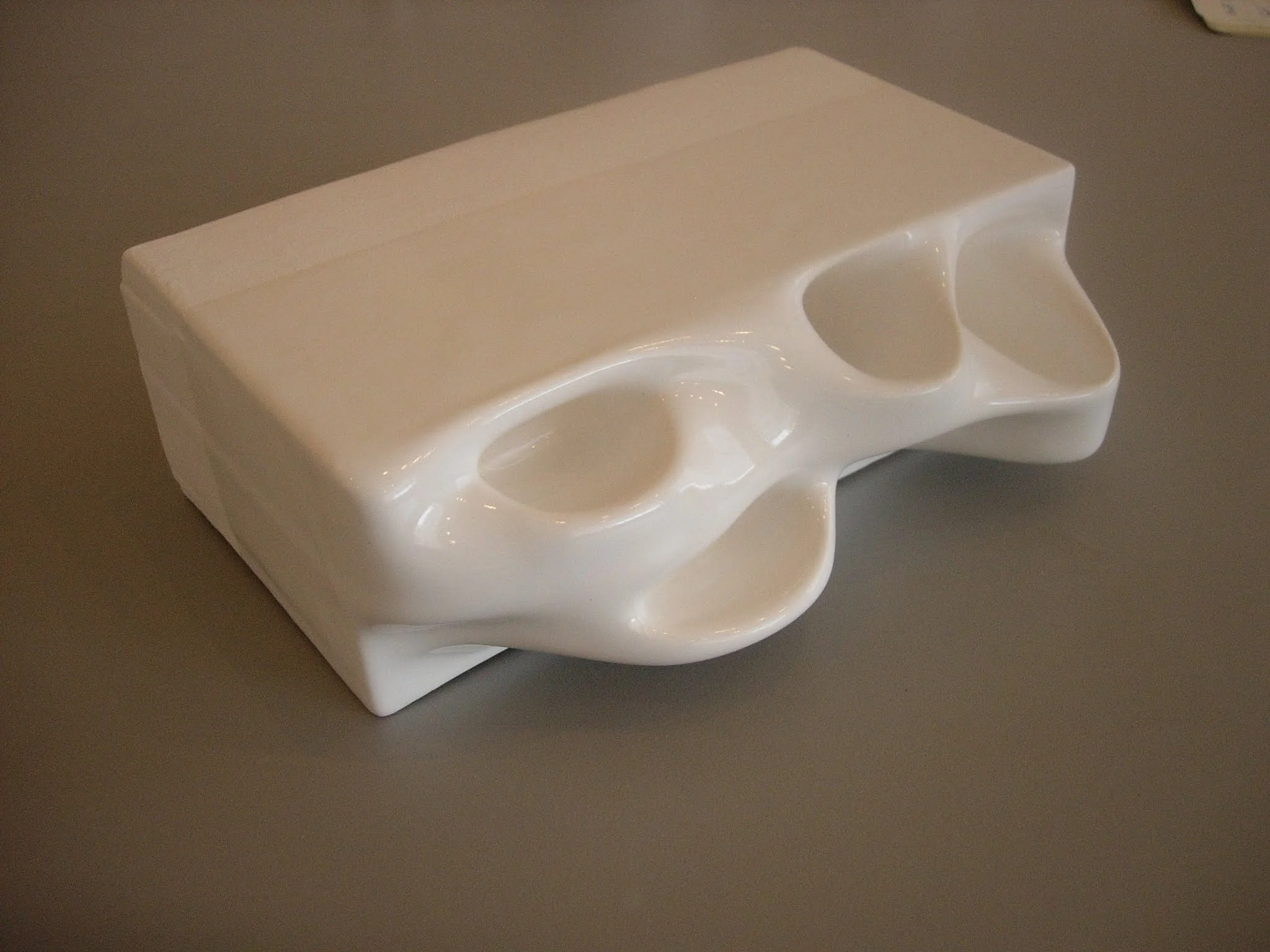
Figulo was founded on a simple but radical idea at the time: ceramics could be 3D printed not just for technical applications, but for artists, designers, and everyday consumers.
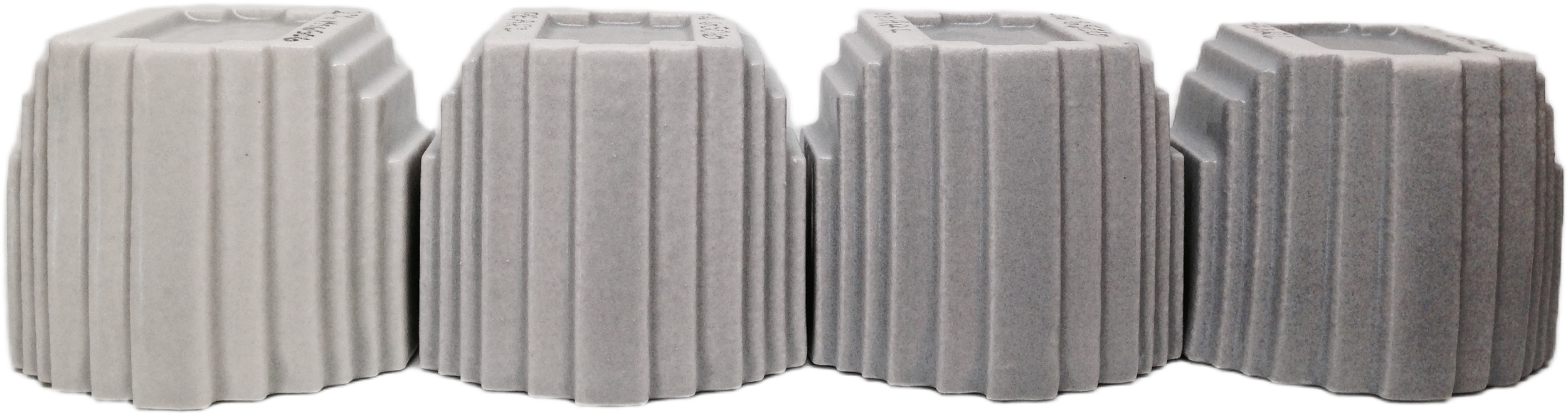
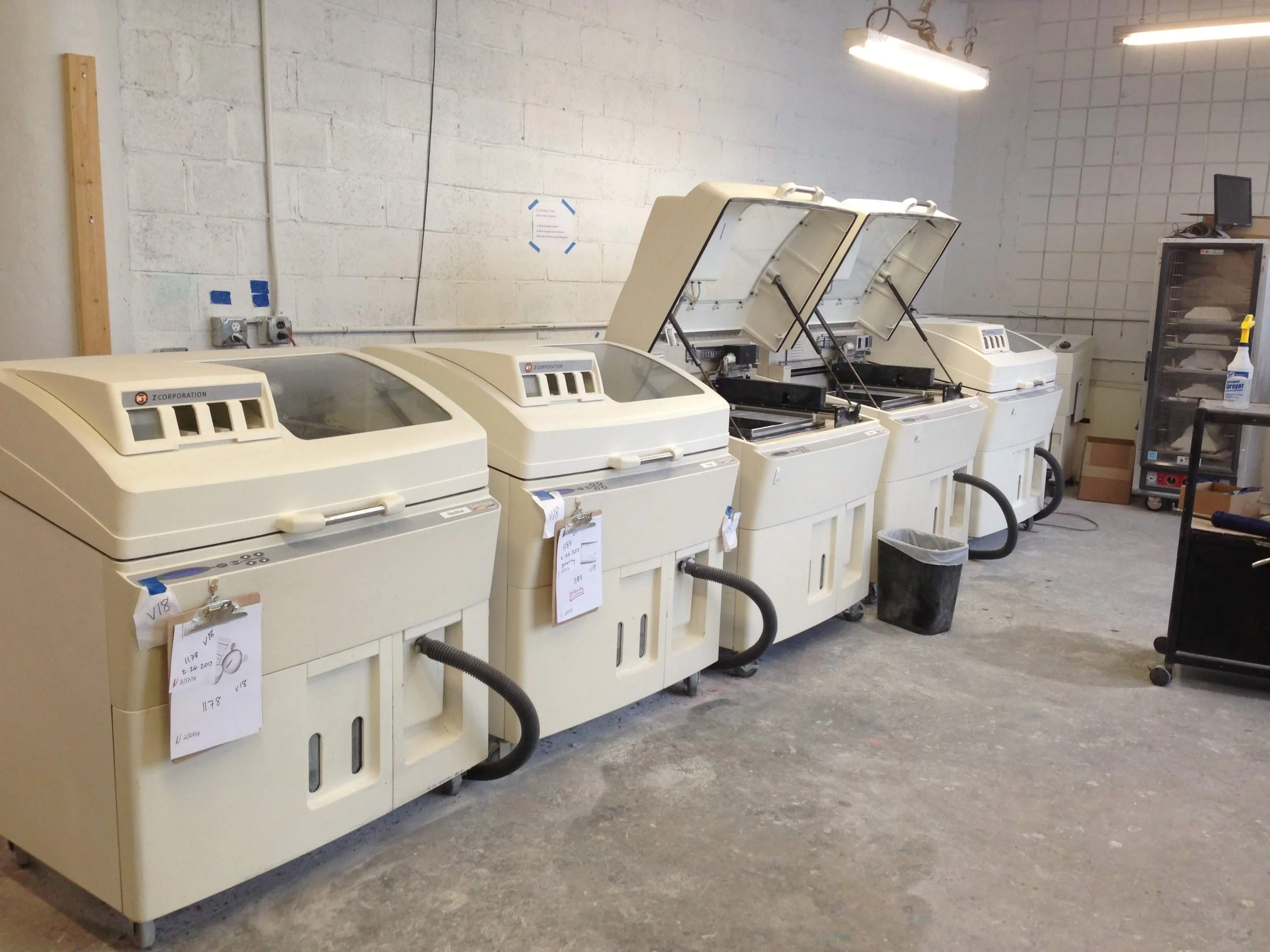
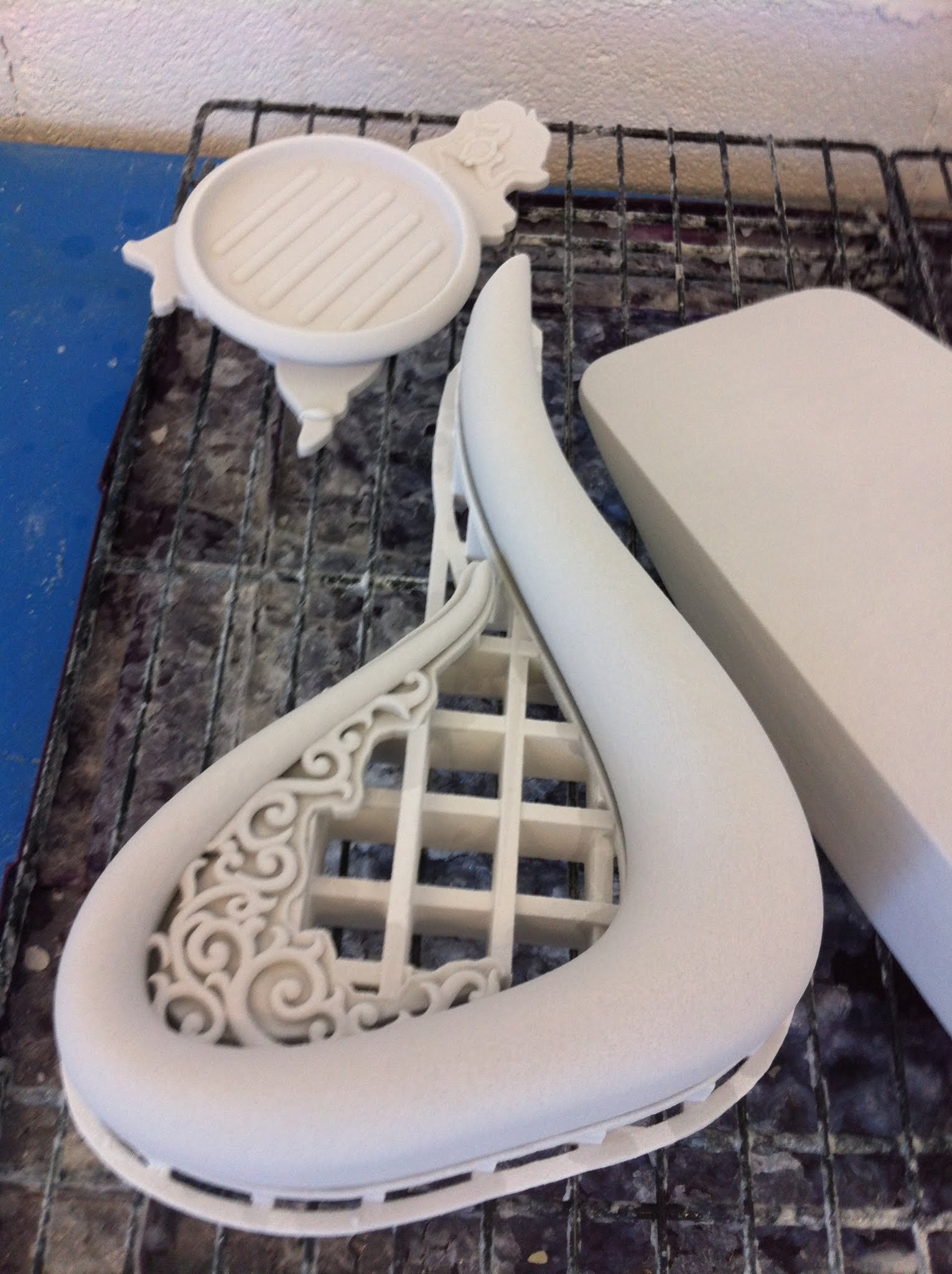
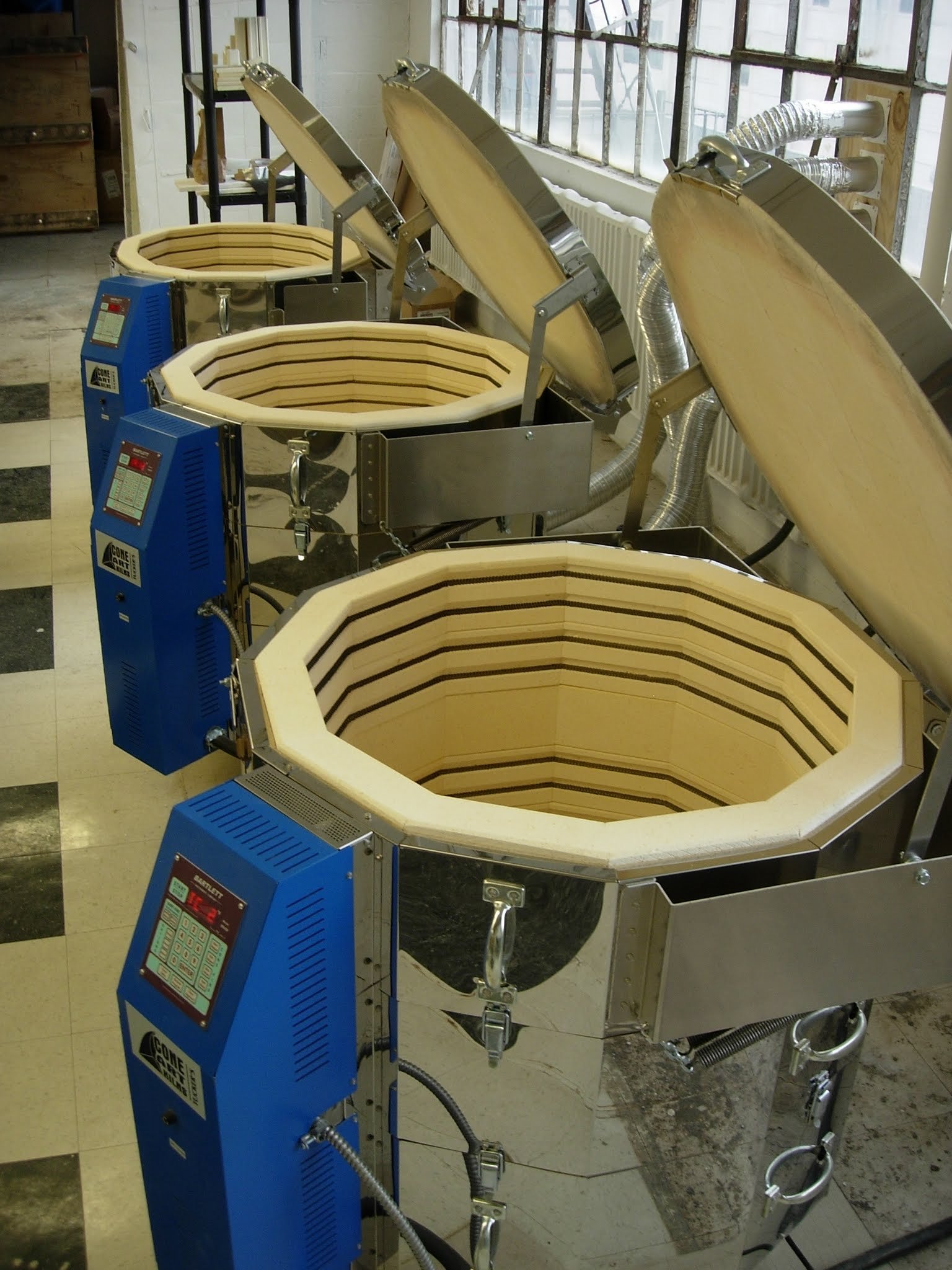
We launched operations in South Boston with a small fleet of second-hand ZCorp Z510 binder-jet printers. It was scrappy, experimental, and hands-on. We fired parts in Cone Art pottery kilns and built a team of ceramic artists who helped transform fragile, porous printed bodies into finished ceramic objects.
The early focus had been technical ceramics — precision, performance, industrial applications. But there was a eureka moment: the real opportunity wasn’t competing in advanced ceramics markets. It was unlocking ceramic 3D printing for creators.
That shift changed everything.
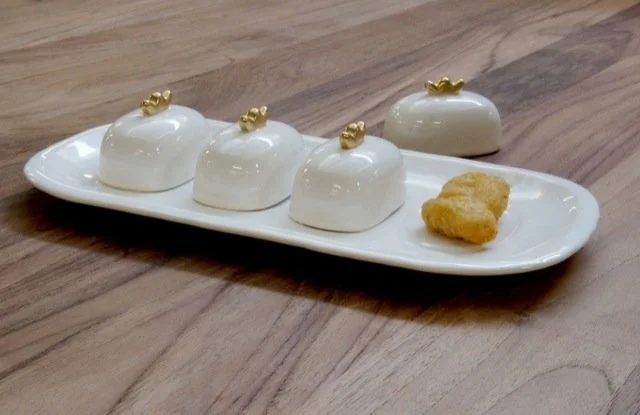
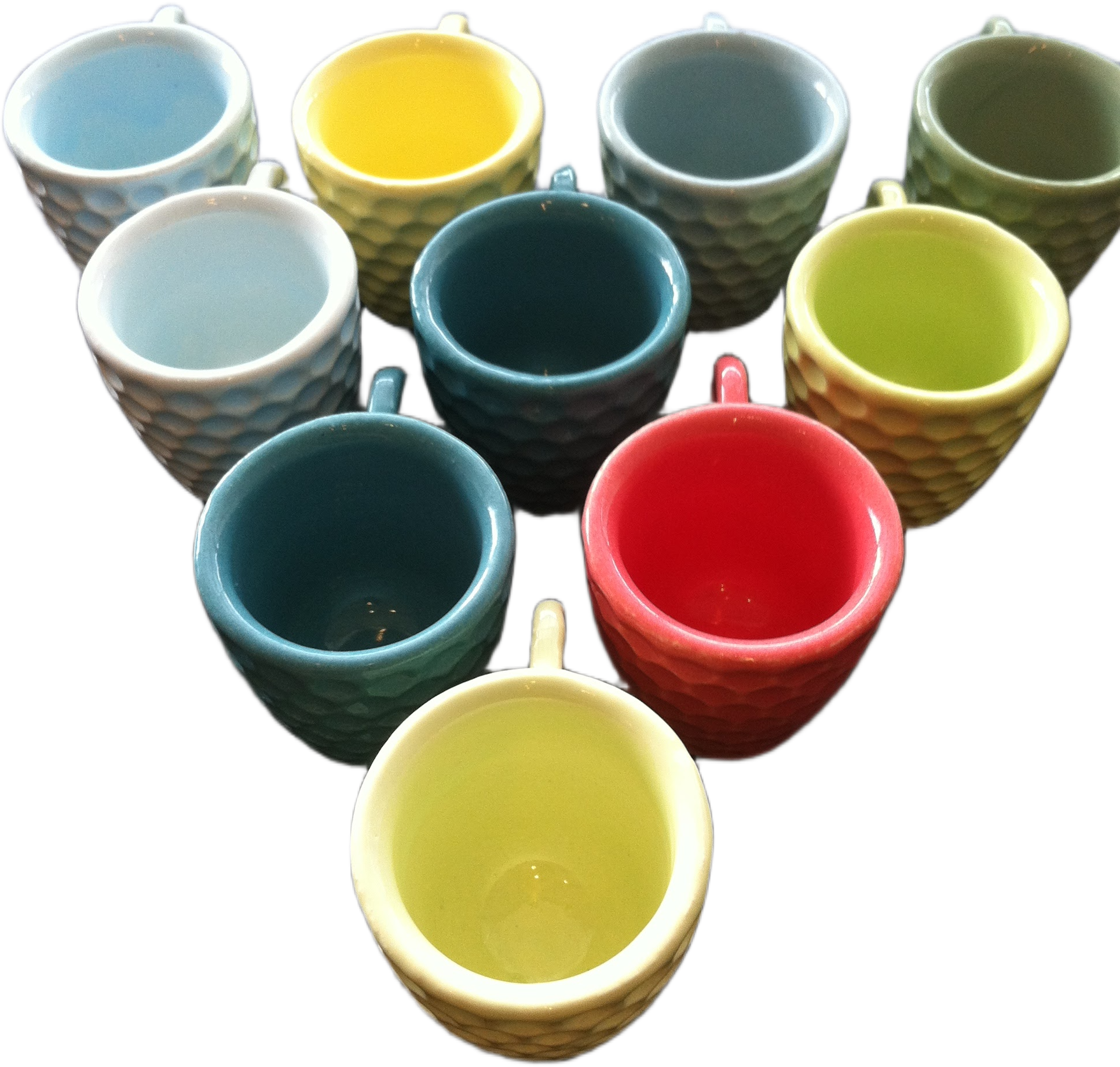
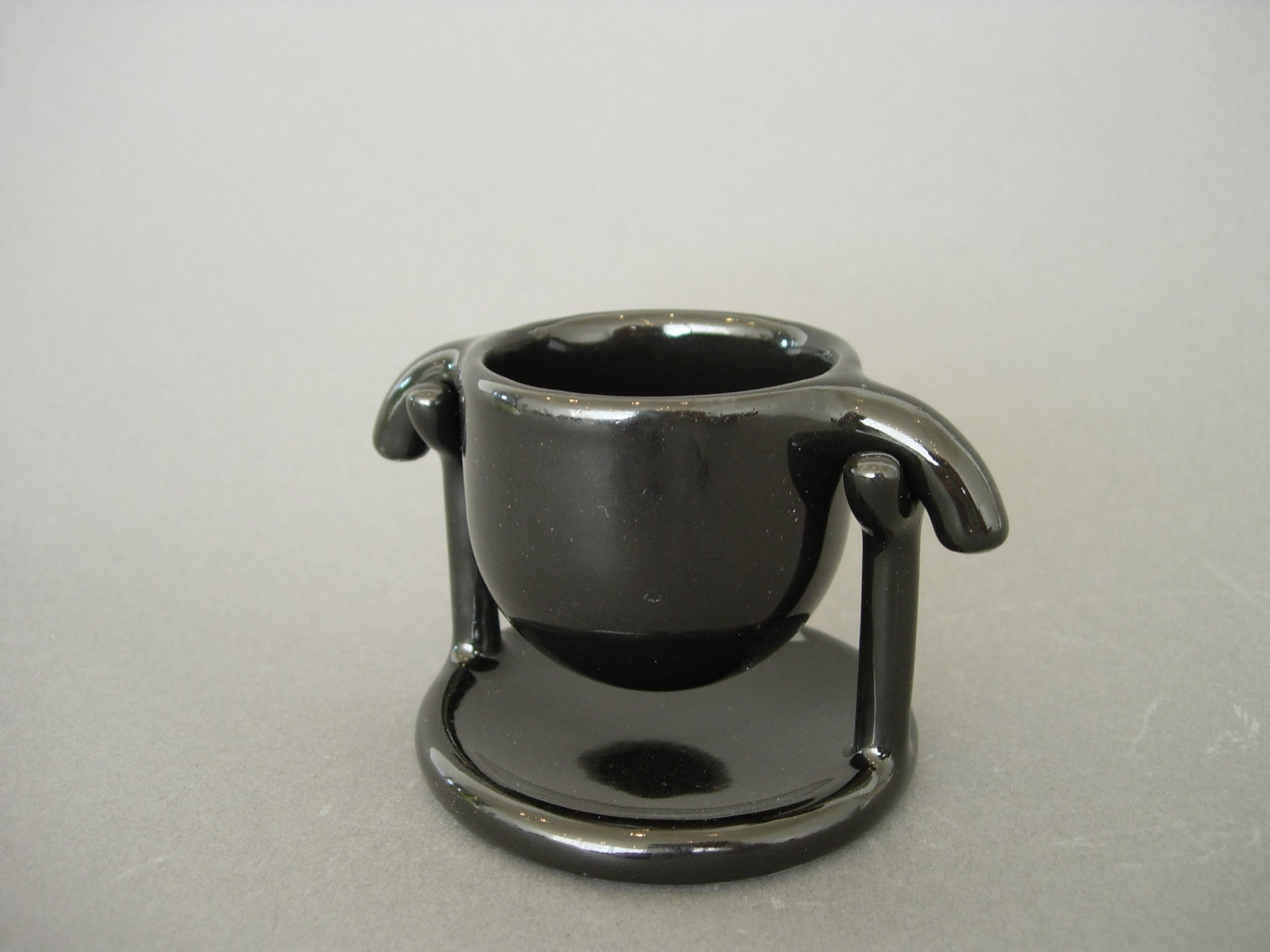
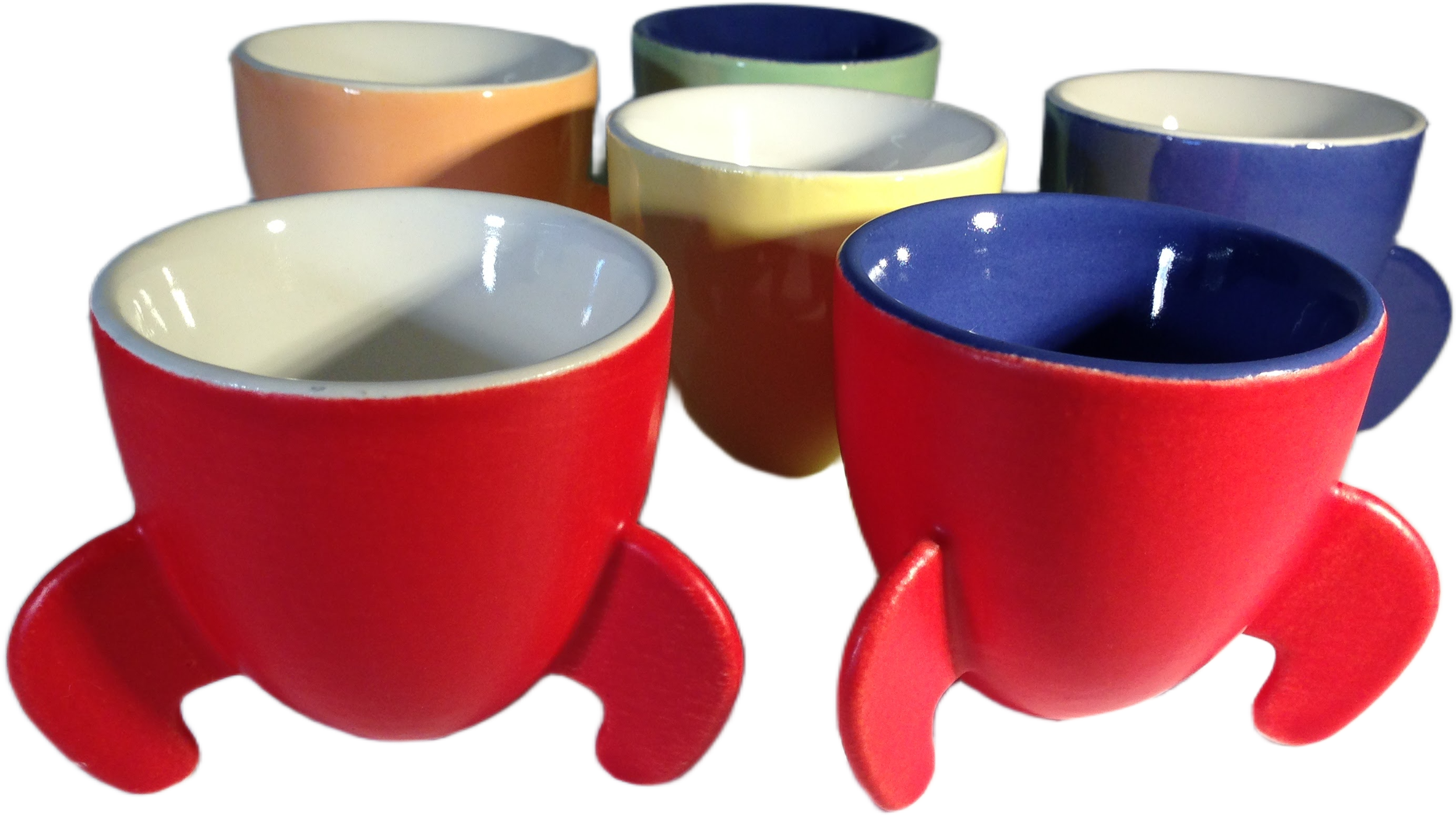
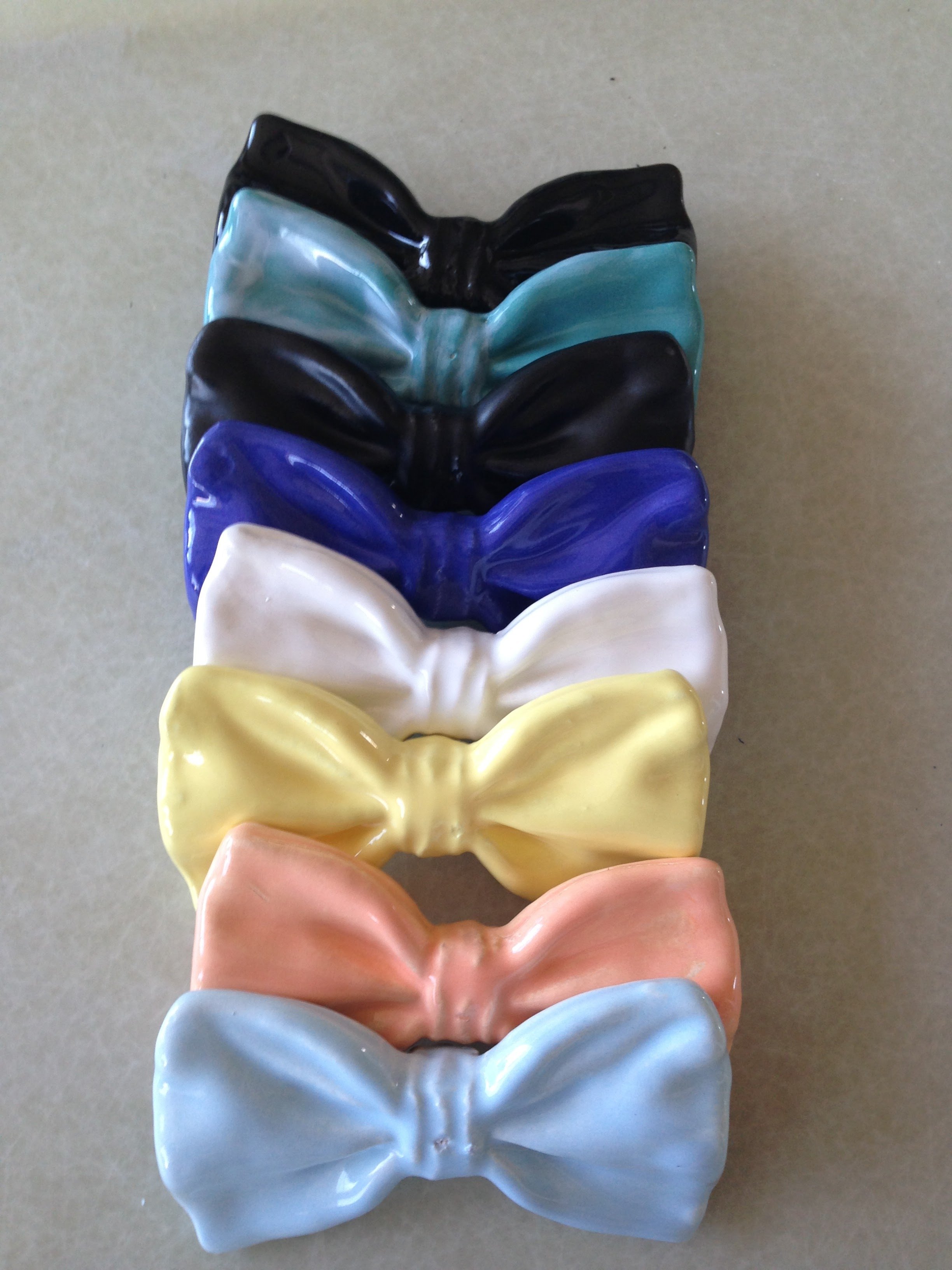
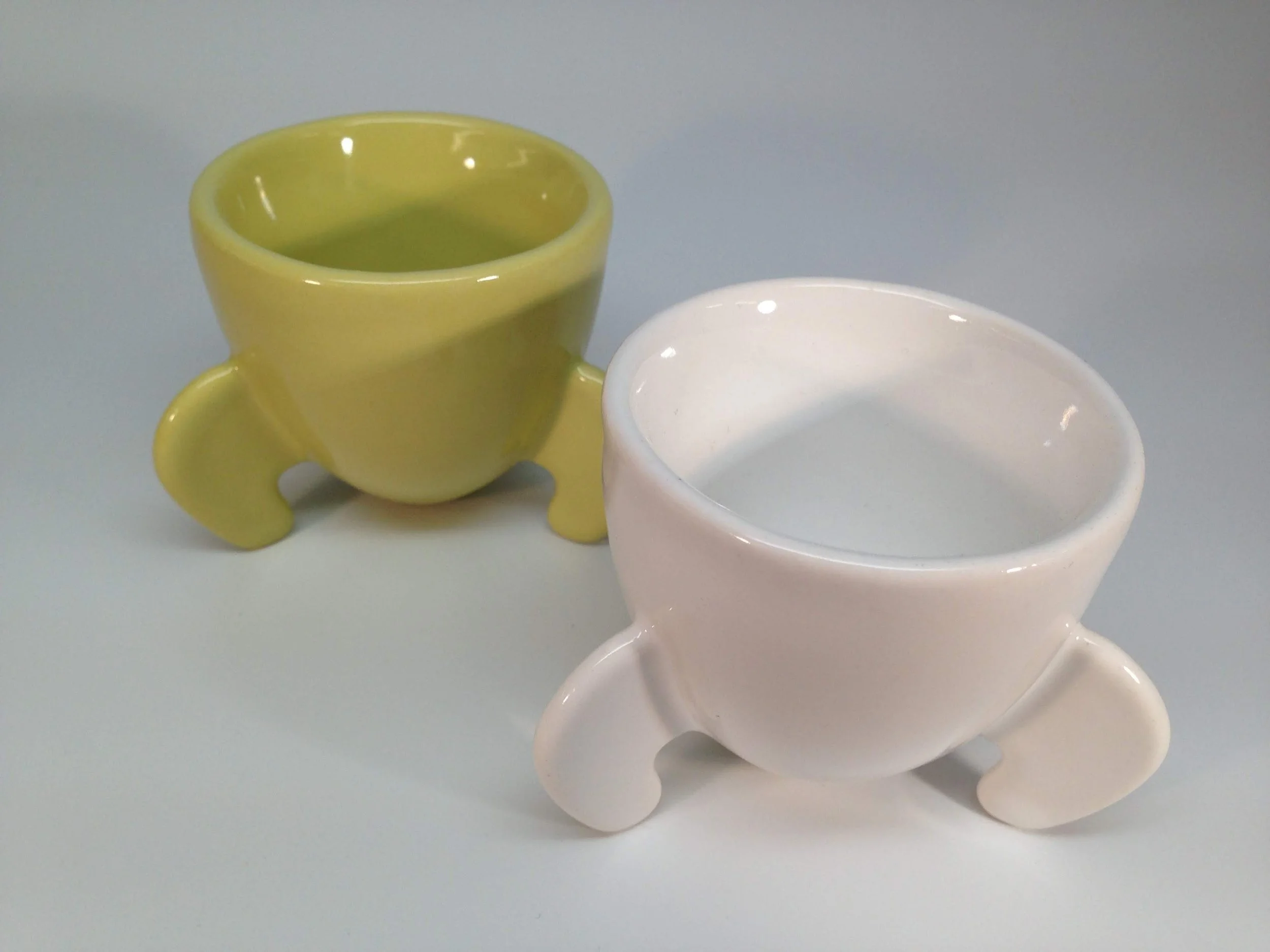
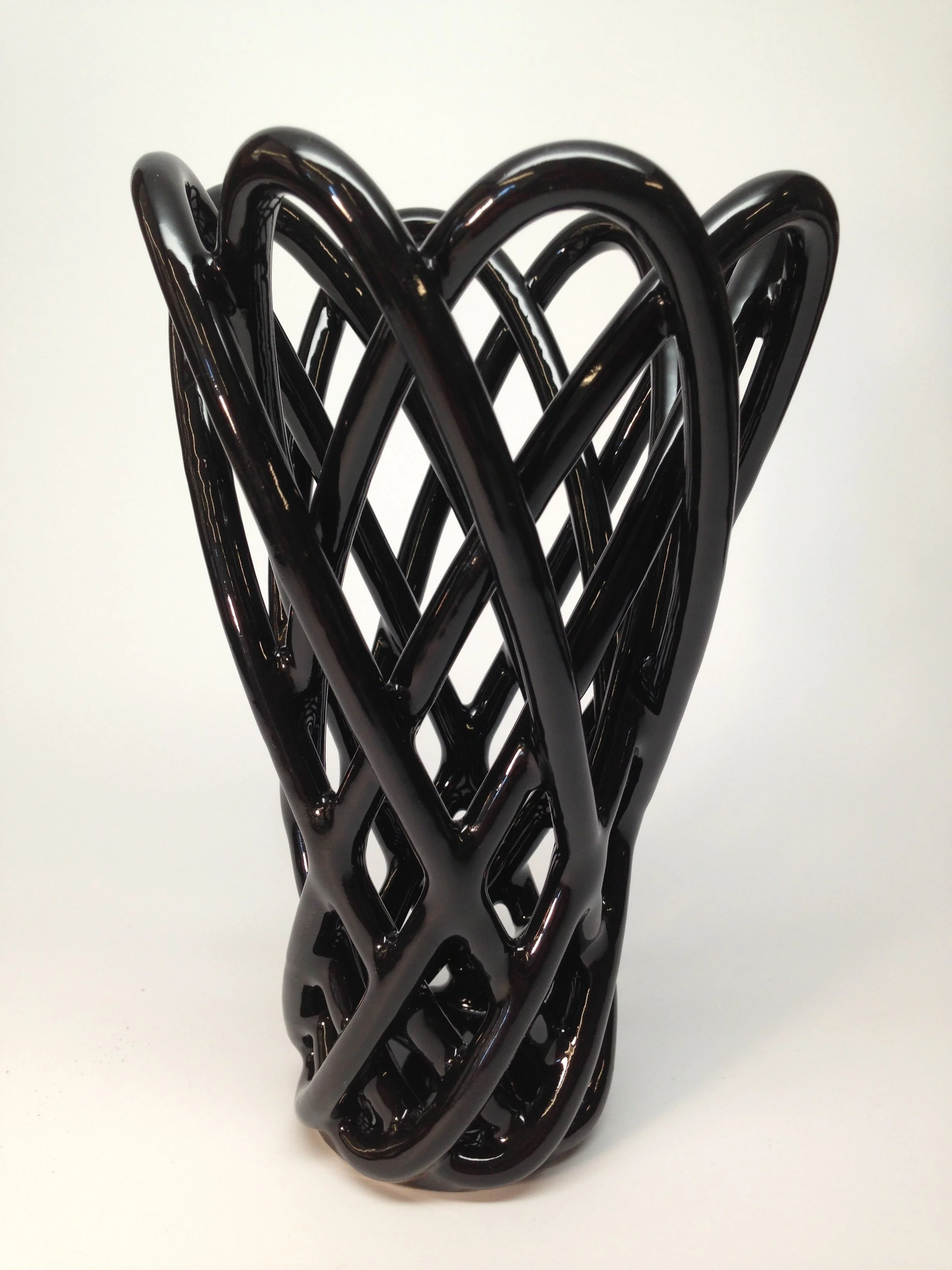
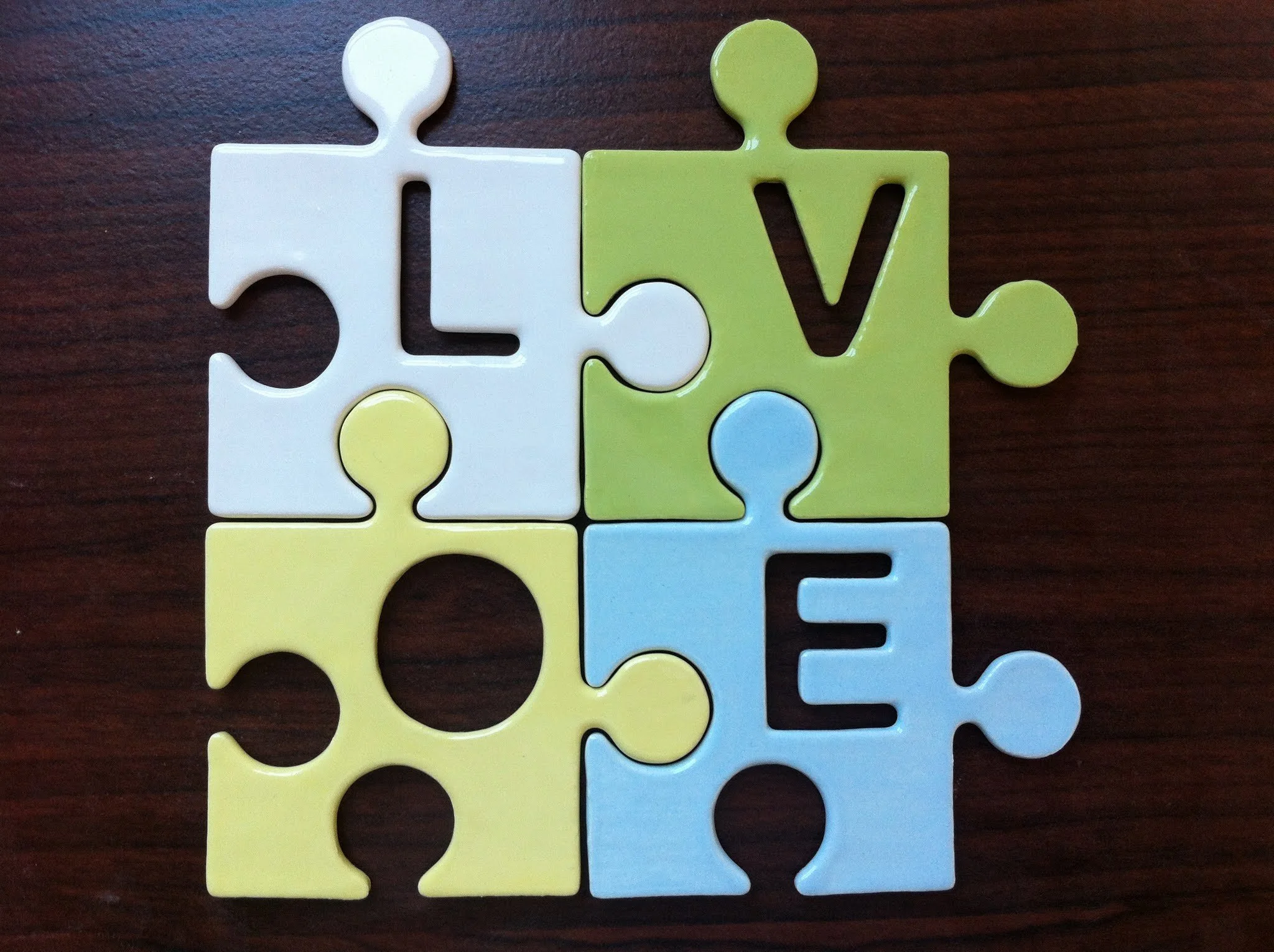
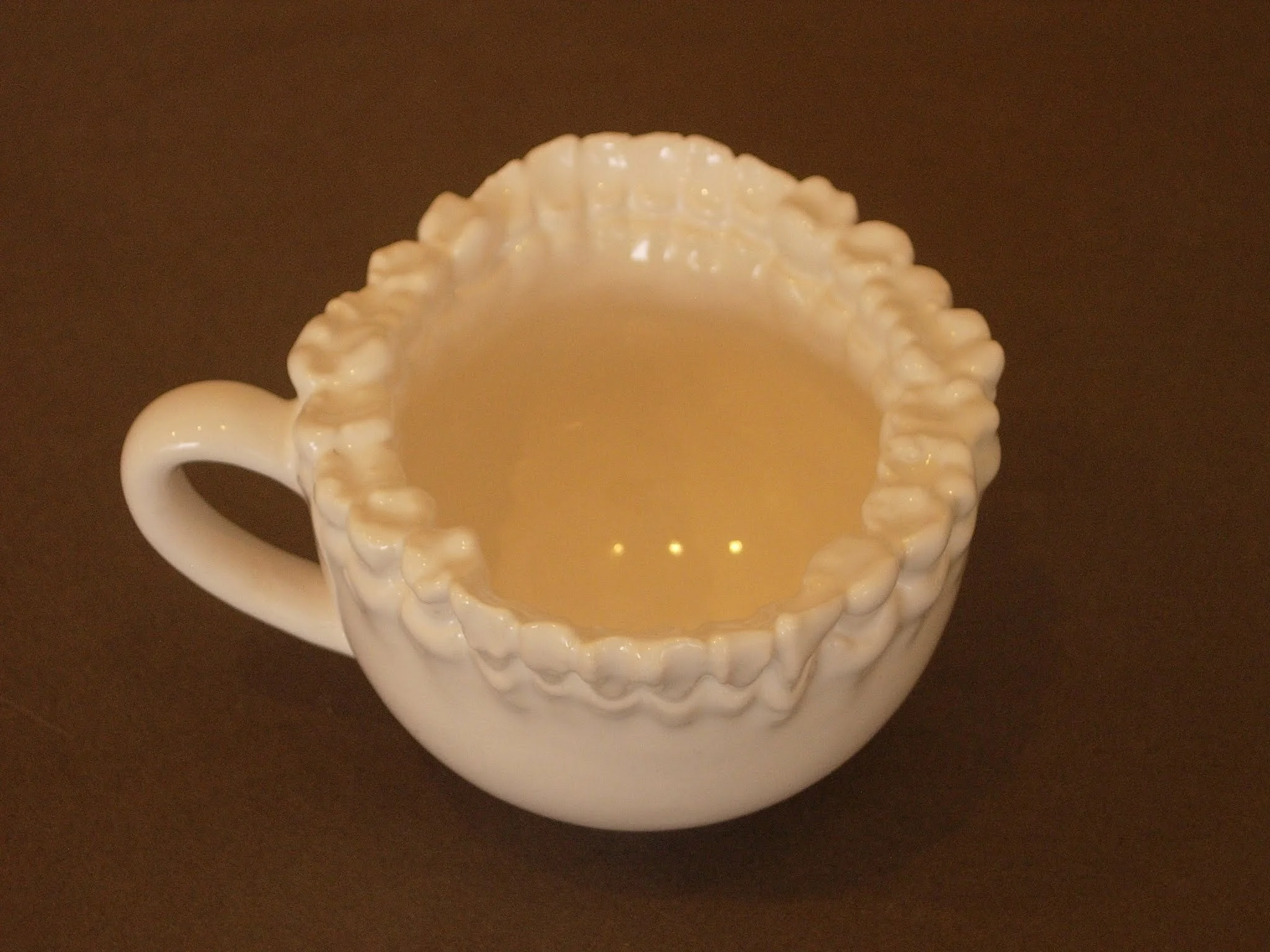
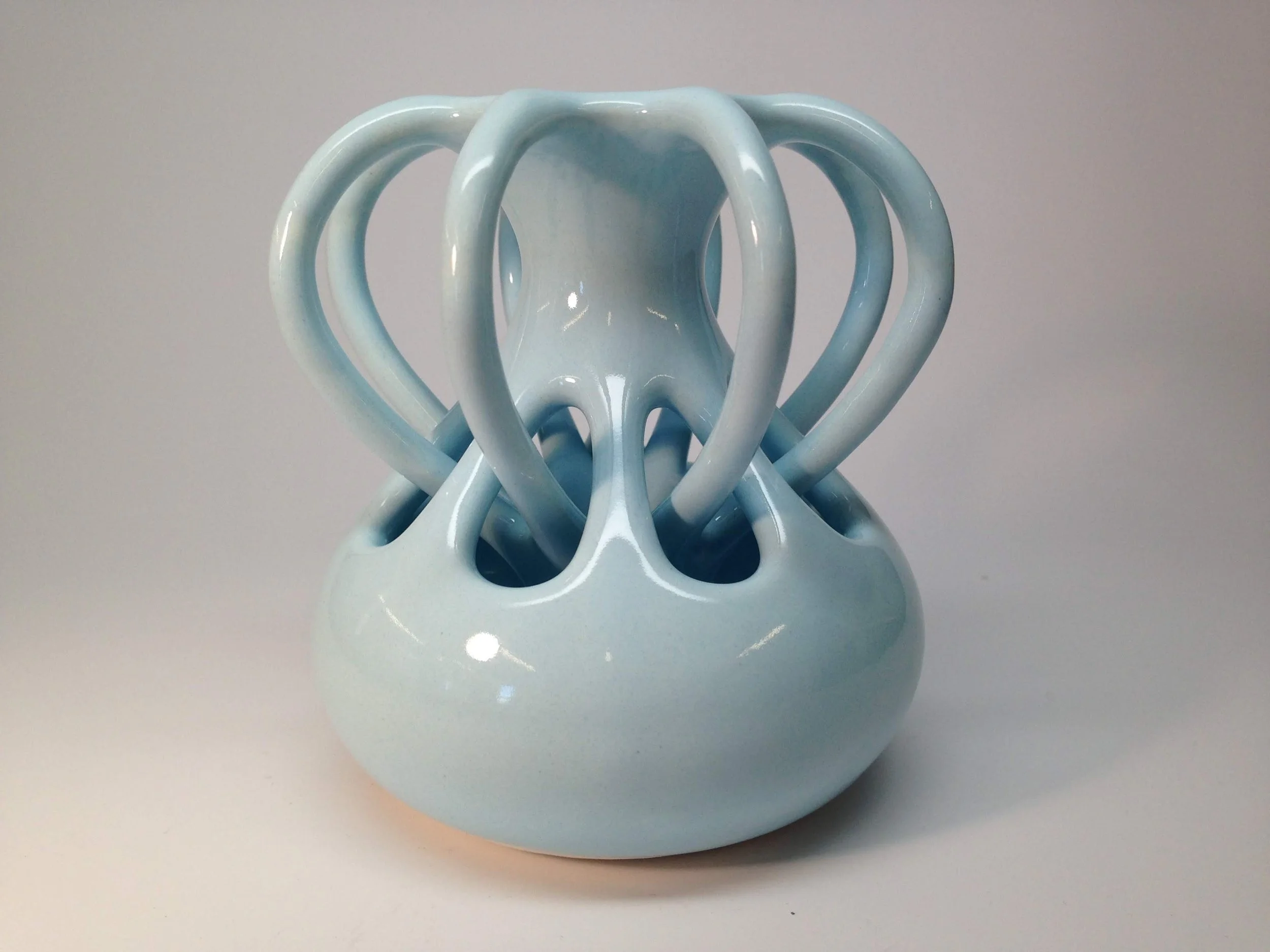
We developed glazing processes that made porous printed ceramics compatible with commercial glazes, while also formulating custom glazes of our own. The goal was not just technical feasibility — it was aesthetic credibility. Surface, color, tactility, and emotional resonance became central.
Our first major contract was with Shapeways. Through that partnership, ceramic 3D printing moved from an industrial curiosity to a platform for makers and designers worldwide. We produced ceramic objects on demand, enabling a new generation of creators to access a material that had historically required molds, tooling, and traditional studio infrastructure.
Figulo demonstrated that digital fabrication could democratize ceramics — merging craft, design, and technology in a way that felt both contemporary and deeply rooted in material tradition.
The company was later acquired by 3D Systems, marking an early milestone in bringing ceramic additive manufacturing into the broader 3D printing industry.